Desde los inicios de la humanidad, ya sea por deseo o necesidad, son millones las personas que han caminado de un lugar a otro, buscando pastos más verdes u horizontes más azules. Y en ese ir y venir, hoy día incluso hay quien se encuentra en el cruce que hay entre lo urbano y lo rural, como si fuera posible trazar una frontera, olvidando a ratos que no son realidades separadas, sino que están interconectadas y se influyen mutuamente. Por suerte, cada vez es más común encontrar personas que se sienten atraídas por ambos mundos y que buscan integrar lo mejor de cada uno en su vida cotidiana. Goteo.org
Leí la reflexión que hace las veces de entrada de este blog post hace unos meses a través de la newsletter de goteo.org, una plataforma de crowdfunding que trabaja con proyectos con un trasfondo social.
La misma me hizo reflexionar acerca de esa ‘línea invisible’ que nos marcamos entre lo rural y lo urbano, entre el ‘yo soy nací aquí’ y el ‘yo me siento de aquí’, en definitiva, entre una realidad que nos ‘hemos construido’ para ‘separar conceptos’ que siempre han estado unidos.
En una newsletter personal que redacté hace poco: ¿Cuándo nos desconectamos de la naturaleza? Tomaba como ejemplo las palabras que Victoria Torres compartía a través de nuestro documental: ‘Hablamos del Medio Ambiente como si no formáramos parte de él’, cuando el Medio Ambiente, lo es todo, en el rural y en lo urbano.
Intentar separar lo rural de lo urbano, sólo nos empobrece como especie, nos desliga de lo natural y nos quita esa interconexión que nos enriquece y que hace que entendamos mucho mejor los ciclos naturales, lo que comemos y de dónde vienen gran parte de nuestros recursos.
Estas reflexiones entre lo urbano y lo rural, me llevan también al título de este blog ¿Se es de dónde se nace o de dónde se pace? y esta pregunta, es la que voy a intentar responder, en parte, y la que que te planteo a ti, si, a ti, de cara a que me ayudes a responderla.
¿Vamos allá?
Nacer Vs Habitar
Tanto si eres de una zona rural, como si siempre has vivido en la ciudad, es muy probable que conozcas alguno de estos dos casos:
-
Personas que se han movido desde un pueblo (o entorno rural) hasta una ciudad.
-
Personas que se han movido desde una ciudad (de diferentes tamaños) hasta un pueblos o un entorno rural
Los motivos que condicionan a ambos puntos pueden ser muy variados, pero generalmente están vinculados con las oportunidades labores, un cambio de vida, la salud o el amor (sí, el amor ha llevado a más personas hasta un destino que todos los coches, trenes, barcos y aviones juntos)
Pero lo importante dentro de esta reflexión no es profundizar en los motivos que hacen que alguien se vaya de la ciudad al ‘campo’, o viceversa (quizás eso es algo en lo que indaguemos más adelante, pero si quieres, puedes ver algunos de nuestros webinar cómo Rural en Femenino: emprendedoras que han apostado por el entorno rural en el que varias protagonistas hablan de por qué se han mudado al rural) si no abrir debate entorno a nacer en el rural Vs irte a vivir al rural.
Una de las cuestiones que suele surgir siempre que organizamos un panel sobre el rural, o cuando participamos en alguna entrevista, es ¿Cómo suelen recibir en los entornos rurales a las personas que se mudan allí? y está claro que hay ejemplos para todo.
Desde que empezamos con Pueblos Remotos en 2021, hemos conocido historias fantásticas, proyectos como Apadrina un Olivo están consiguiendo una reactivación increíble del rural, consiguiendo, incluso, que muchas personas no se vayan a Oliete. Otros proyectos como Almanatura, colaboran para identificar y promocionar a los emprendedores rurales que están por todo el territorio español, e incluso, tenemos iniciativas de ‘Erasmus Rural’ que permiten que estudiantes universitarios se vayan a vivir una temporada al campo mientras estudian.
A todo esto se suma un ‘pequeño’ éxodo que surgió después de la pandemia, donde muchas personas que teletrabajan, se fueron al entorno rural buscando más tranquilidad y un entorno de vida más slow.
En el otro lado de la balanza (y yendo un poco al extremo) tenemos casos como el que se refleja en la película ‘As Bestas’, dónde quizás se vea esa cara ‘menos amable’ del rural, así como la realidad de muchas personas que lo habitan.
En el medio, que es donde suele quedarse casi todo lo que funciona, está ese debate, o planteamiento, de nacer versus habitar el rural.
Vale, ahora me dirás ¿Y? Tanto rollo y no has dicho nada sobre esa diferencia entre nacer ó pacer, y la verdad, es que la respuesta que te voy a dar, no te va a aportar mucho, pero lo voy a intentar a continuación.
¿Cómo nos aproximamos a ello?
La aproximación no es sencilla, pero voy a dejar unos cuantos argumentos que creo que deberían de cumplir tanto aquellos que nacen, como aquellos que pacen en el rural:
Entender el entorno por encima de todo
Cuando nos vamos al rural, ya sea para vivir o para hacer algún tipo de experiencia, lo primero que debemos hacer es entender el entorno por encima de todo. Está claro, y no es la primera vez que lo digo, que muchos de estos territorios deberían de contar con unos servicios esenciales mínimos, pero por otro lado, tenemos que entender la realidad de dónde estamos, e incluso del ‘aislamiento’ que pueda suponer vivir en el rural, eso que a priori puede percibirse como una desventaja, puede ser la mayor ventaja de todas.
No ‘urbanizar’ el rural
Precisamente lo bueno que tiene este entorno es su vínculo con la naturaleza, con sus ciclos, con su forma de vivir. Es curioso como cuando te vas a estos entornos y te sumerges del todo (aunque al principio cueste un poco) notas como tu cuerpo se adapta de una forma completamente natural a los movimientos del sol, a la tranquilidad a la hora de hacer las cosas o al apego a la naturaleza. Lo decía al principio, formamos parte del Medio Ambiente del que tanto hablamos y nada rige mejor ese Medio Ambiente que los ciclos de la naturaleza.
Conocer la idiosincrasia del lugar
Esto es una cuestión de comunidad. Hacer de pacer en algún sitio, es fundamental conocer la idiosincrasia del sitio, o al menos, conocer cómo es vivir en el rural (este es uno de los motivos por los que hacemos experiencias en entorno rurales, no es el principal, pero muchas personas nos han comentado que les ha servido como una buena aproximación al mismo)
Irte a vivir a un pueblo, supone tomarte la molestia de conocer cómo funciona, de integrarte en el mismo y de ver si de verdad es ‘tú’ lugar para vivir. La diferencia entre que lo sea o no, puede hacer que tu calidad de vida allí sea mejor o peor.
Estar abiertos a conocer a los que vienen
No todo iba a ser sólo para el ‘foráneo’ que va, desde el rural también hay que poner en valor y remar para conocer a esas personas que tienen interés por habitarlo. El respeto mutuo, como en cualquier sitio, es la piedra angular para que se generen buenas relaciones.
Generar redes de intercambio
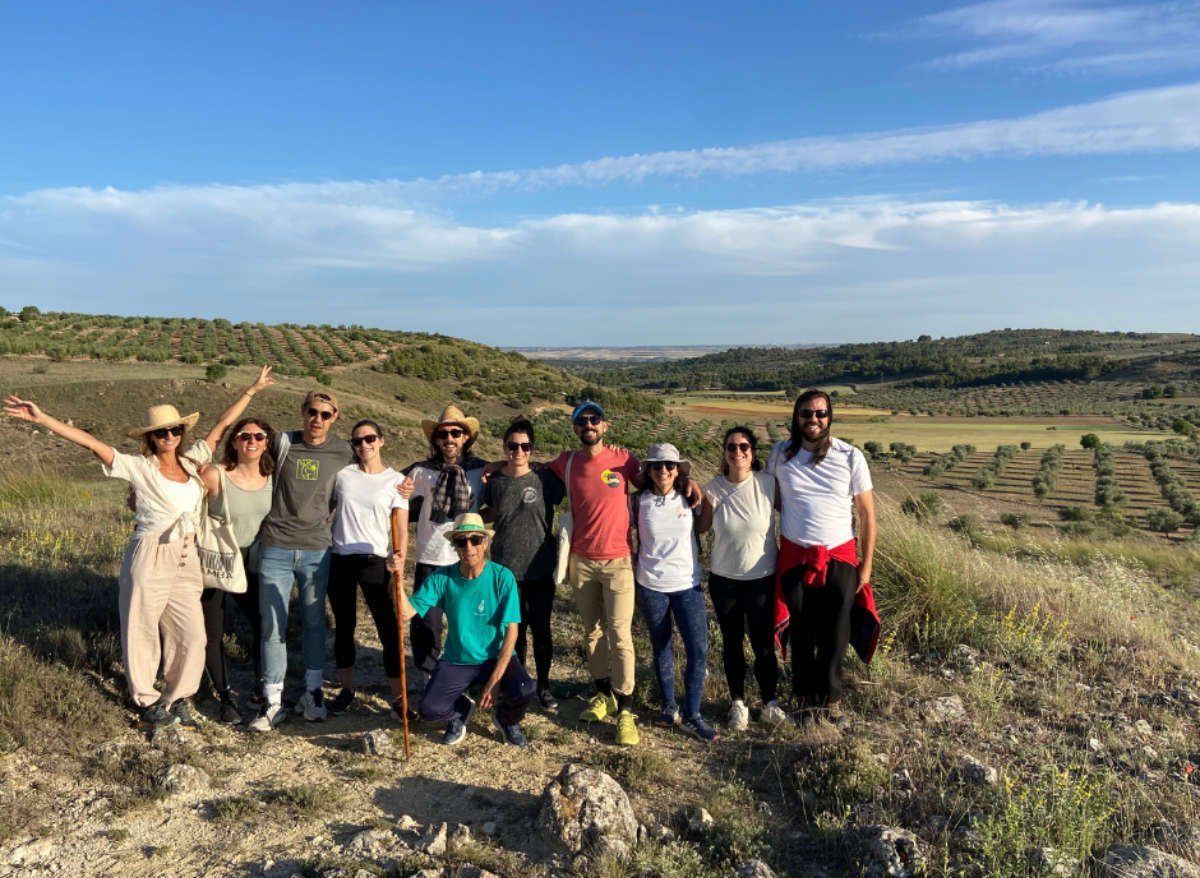
Este es quizás otro de los puntos más importantes, a la par que complicados. Creo, y esto es una opinión personal, que una de las cosas más bonitas que he visto en todo esto, es la relación que surge entre las personas, las conexiones entre los emprendedores rurales y los trabajadores remotos cuando hacemos nuestras experiencias.
Pues creo, que estos son los vínculos que deberían generarse (con su tiempo y con su forma) dentro de los entornos rurales, esa unión entre las personas que han nacido allí y las que han tomado la decisión de irse a vivir allí (o de volver desde el entorno urbano) es, probablemente, la que genere mayor riqueza e intercambio de conocimiento.
Entonces, ¿Se es de dónde se nace o de dónde se pace?
Pues, después de casi 1400 palabras, sigo sin tener una respuesta definitiva para ello. Lo que sí que tengo claro es que, tanto si has nacido allí, como si te has decidido a mudarte, lo que mejor puedes hacer es adaptarte, estar abierto a mejorar y tener presente cuáles son los retos y oportunidades que hay en el territorio.
¿Y tú? (sí, te pensabas que te ibas a librar) ¿Qué opinas?