
Como ya viene siendo tradición, estos últimos días del año vengo a compartirte algunas reflexiones y aprendizajes de este 2024 que me llevo personalmente y nos llevamos como equipo. Además, me encanta ver cómo van evolucionando mis pensamientos y cómo voy creciendo junto con Pueblos Remotos. Tenía más o menos claro cómo quería orientar este último post del año, pero leyendo los anteriores que he escrito por estas fechas, me he inspirado mucho más y he decidido enfocarme en la necesidad de parar, que te iré desarrollando en las siguientes secciones.
Para que tengas un poco de contexto y sepas de donde parto, te dejo por aquí primero las reflexiones de los años anteriores, para que así puedas seguir mi razonamiento y mi evolución como persona:
- Año 2021 (nace Pueblos Remotos como proyecto) – ¿Y tú, le pones pasión a la vida?
- Año 2022 (seguimos apostando por la Ruralidad Conectada) – ¿Y tú, vives con propósito?
- Año 2023 (fundamos Pueblos Remotos SL) – ¿Y tú, cuánto planeas?
Te estarás preguntando por qué quiero hablar este año de parar cuando seguro has visto por nuestras redes, y si nos sigues de cerca en nuestra newsletter, que literalmente no hemos parado. Pues por eso, porque no paramos y si no paramos, no tenemos perspectiva, no podemos volver a inspirar, sino que nos ahogamos, nos falta el aire. Te cuento, a continuación, los tres momentos en estas últimas semanas que me inspiraron a escribir este post.
Gestión de polaridades, no hacer nada y cambio de ¨mindset¨
1) Taller de María Guerrero en el Foro Géiser
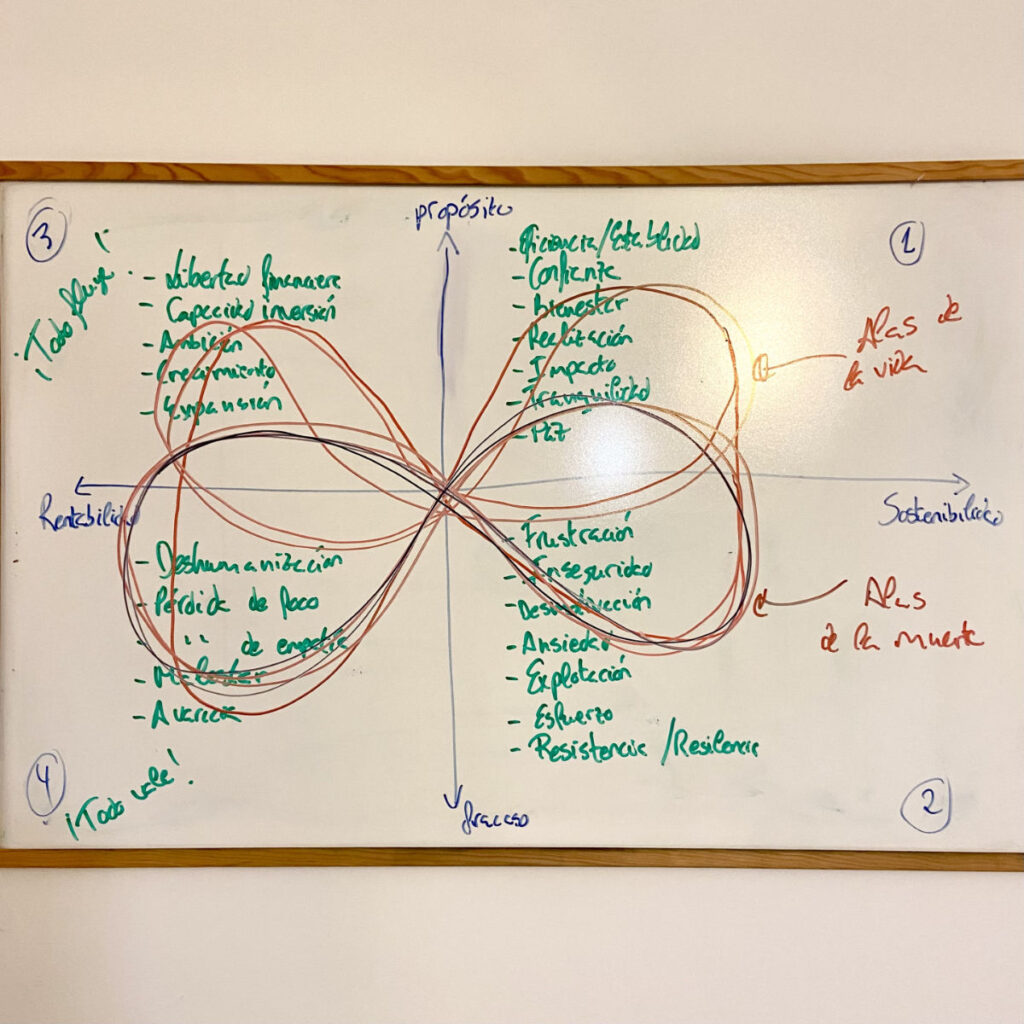
El 7 de noviembre, durante la 9ª edición del Foro Géiser participé en un taller impartido por María Guerrero titulado ¨Entre opuestos: gestión de polaridades para el cambio¨. Justamente estuvimos trabajando la polaridad entre Rentabilidad vs Sostenibilidad y me di cuenta de muchas cosas que estábamos ignorando por intentar seguir remando a contracorriente. Necesitaba este ejercicio como agua de mayo, para abrirme los ojos y darme cuenta de que nos estábamos quedando sin aire. Mi propia conclusión fue:
¨Necesitamos parar para volver a inhalar¨
Aquí te dejo un blog post escrito por la misma María donde explica mejor que yo, y con más detalles, lo que cubrimos durante el taller. En sus propias palabras: ¨Esta dinámica de diversificación forzada es frecuente en los emprendimientos sociales. Vivimos entre tensiones de valores. Sin embargo, las tensiones no son problemas para resolver: son dinámicas que gestionar.¨
2) Podcast con la psicóloga Patricia Ramírez
Suelo escuchar el podcast Realfooding, dirigido por Carlos Ríos, y me pareció muy buena la conversación que tuvo con la psicóloga Patricia Ramírez. Hablaron de muchísimos temas interesantes, como la diferencia entre estrés y ansiedad, la importancia de mantener la calma, el síndrome de la vida ocupada, la productividad, los valores y el amor en paralelo. Quizás, con lo que me quedo, porque fue lo que más me resonó, fue cuando dijo:
¨El cerebro necesita un descanso. Tenemos que darle al cerebro 15 minutos al día de no hacer nada. No sabemos estar simplemente observando, sin hacer nada¨
Y qué razón tiene, parece que si no producimos estamos perdiendo el tiempo, pero es al revés, cuánto más descanso demos a nuestro cerebro, más creatividad tendremos, seremos capaces de encontrar soluciones más rápidamente y no acabaremos agotados mentalmente haciendo scroll infinito en redes sociales.
Te dejo por aquí el capítulo por si quieres escucharlo.
3) Sesión de coaching con Miguel Quintana
Con el cierre del año y con la cantidad de decisiones importantes que teníamos que tomar este diciembre de 2024, le pedimos a nuestro advisor, Miguel Quintana, hacer una sesión con él para ponerle al día y que nos ayudase a salir de nuestro bucle. Como emprendedores, nuestra mente hace dos cosas: (i) tener siempre presente todas las cosas que han salido mal y (ii) ver oportunidades constantemente para montar otra línea de negocio, cambiar un proceso o conseguir otro cliente. Literalmente nuestra mente no para.
¨Para un cambio de mindset tenemos que parar, dejar de pensar como emprendedores y centrarnos en conseguir estabilidad financiera respondiendo esta pregunta: ¿Qué haríamos si Pueblos Remotos no existiera?¨
Por eso, lo primero que hizo Miguel fue invitarnos a agradecer todo lo que tenemos a día de hoy y apuntarlo en un papel. Posteriormente, analizamos conjuntamente los escenarios que se presentan como posibilidades para 2025 y decidimos lo que más se ajusta a nuestra realidad de hoy. Sin querer entrar en muchos detalles, muy resumidamente: si no tenemos rentabilidad, Pueblos Remotos no puede existir.
¿Cuándo es el momento de oxigenar?
Cuando estás metido en la carrera de la rata, en la locura del día a día, en la implementación de proyectos mientras intentas conseguir otros nuevos redactando propuestas y gestionando un equipo, no te queda tiempo ni para respirar. Y esto es grave, porque nada es más urgente que respirar y beber agua.
Justo cuando estaba a mitad de camino en la redacción de este blog post reflexivo, quedé a desayunar con mi querido David Alayón, compañero del colegio y emprendedor al que admiro mucho. Lo veo como máximo una o dos veces al año, pero las conversaciones con él van más allá de la mera superficialidad y siempre me llevo nuevos aprendizajes o conceptos en los que pensar.
Reflexionando con él sobre este tema del no parar, me dijo una palabra que me gustó mucho más y con su permiso, se la voy a robar y la voy a usar yo también: Oxigenar. Ya no vale con parar o desconectar, tenemos que OXIGENAR.
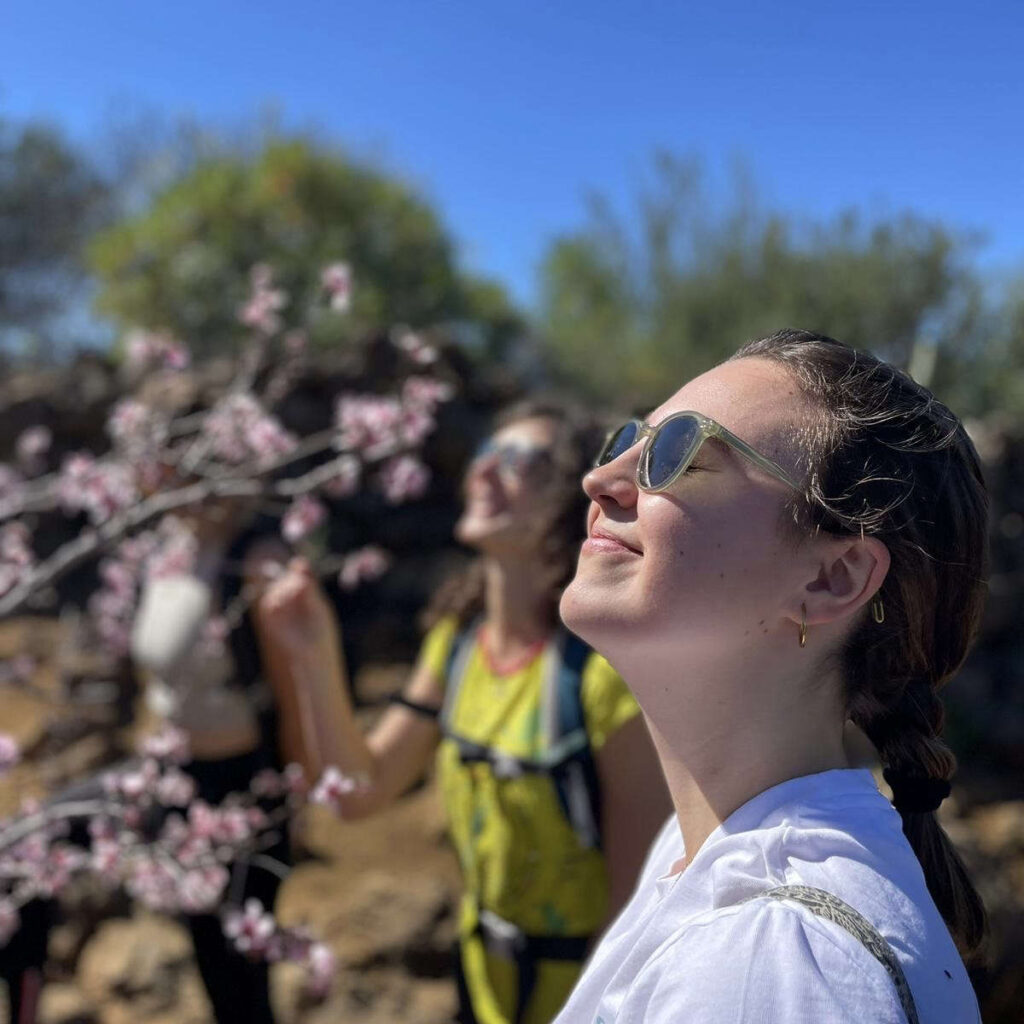
Como emprendedores sociales, estamos siempre más preocupados por los beneficiarios de nuestros proyectos, los clientes o el equipo, que por nosotros mismos. Todo nos lo cargamos al hombro y muchas veces a costa de nuestra propia salud. Tanto es así que en multitud de ocasiones somos los últimos en cobrar (o no cobramos directamente), pero entonces ¿Dónde está el límite? ¿Hasta cuándo vamos a seguir remando a contracorriente? ¿Cuántas remadas nos quedan?
David también me habló del escritor Byung-Chul Han y sus libros: La Sociedad del Cansancio y Vida Contemplativa. De este último, me quedo con la siguiente frase:
¨Nunca está nadie más activo que cuando no hace nada, nunca está menos solo que cuando está consigo mismo¨
A veces la vida te para aunque tú no quieras
Si no hacemos caso a todas las señales que nos envía nuestro cuerpo, nuestro alrededor y silenciamos a nuestro instinto, la vida misma nos va a parar. En algunas ocasiones, tenemos que caer en el burnout para decir: ¡Hasta aquí! ¡No puedo más! Otras veces es una enfermedad que te obliga a bajarte de la montaña rusa aunque no quieras. Lo triste es que esto sucede cada vez en edades más tempranas.
Si nos ponemos a hablar de desgracias, tenemos para unos cuantos libros, sobre todo cuando los medios de comunicación se esfuerzan porque las tengamos bien presentes. El caso es que quiero acabar este blog post en un tono alegre y con ilusión porque así me siento yo en estos momentos, a pesar de que ha sido una segunda mitad de año complicada.
Muchas veces, nosotros mismos tomamos la decisión de darnos un descanso, de cambiar de aires, de dedicarnos a nuestros hobbies o de simplemente vivir con menos cosas, menos presión, menos exposición y más tranquilos. Menos es más y no hace falta seguir corriendo sin oxígeno.
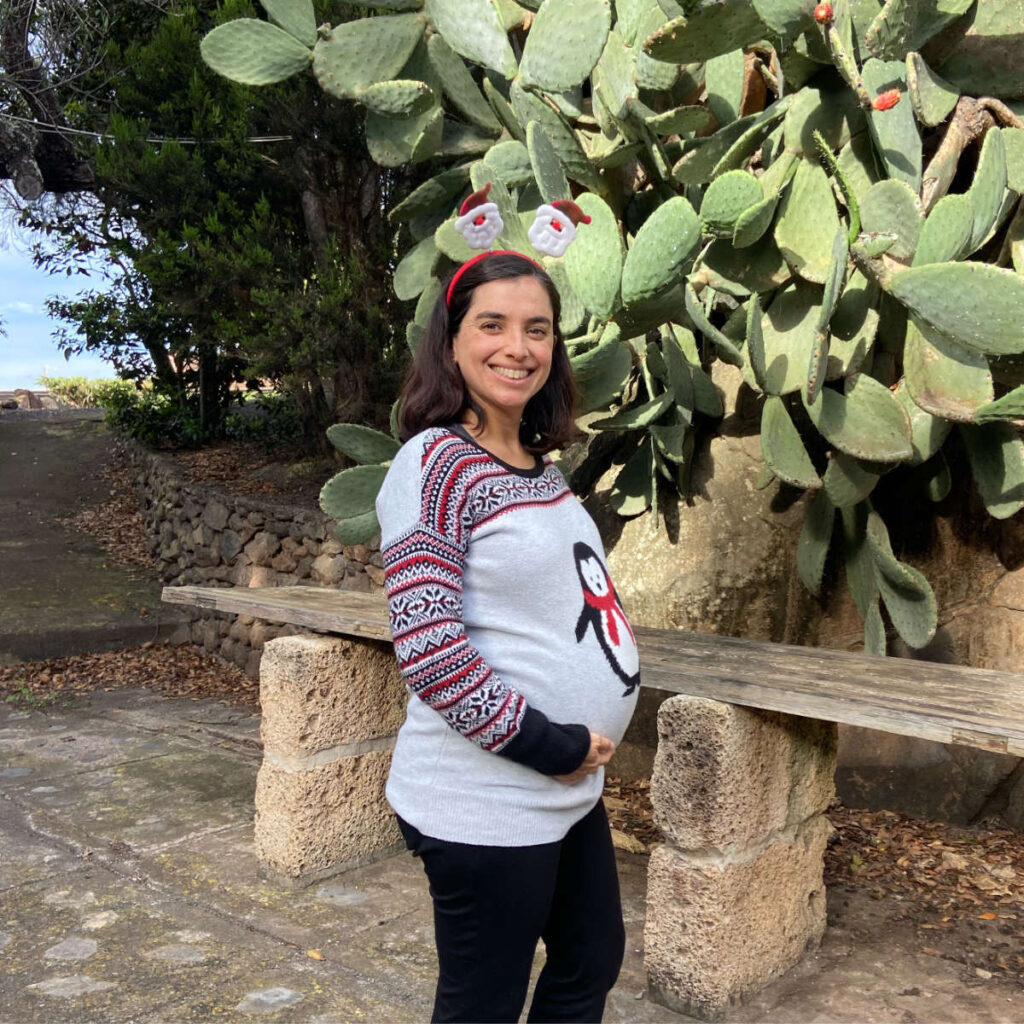
En mi caso, este año termina con un regalazo de la vida que me va a obligar a parar y a dedicarme a otras cosas que van a ser mucho más prioritarias. Quiero compartir contigo que ¡Estoy creando vida! ¡Estoy embarazada! Para mí es una bendición, dicen que los bebés vienen con un pan debajo del brazo y que llegan en el momento en que los necesitamos porque estoy segura de que voy a aprender mucho más yo de ella que ella de mí. No sé cuánto voy a poder ¨no hacer nada¨, pero mi vida laboral se va a tener que detener por un tiempo y me voy a centrar en oxigenar tanto para ella como para mí.
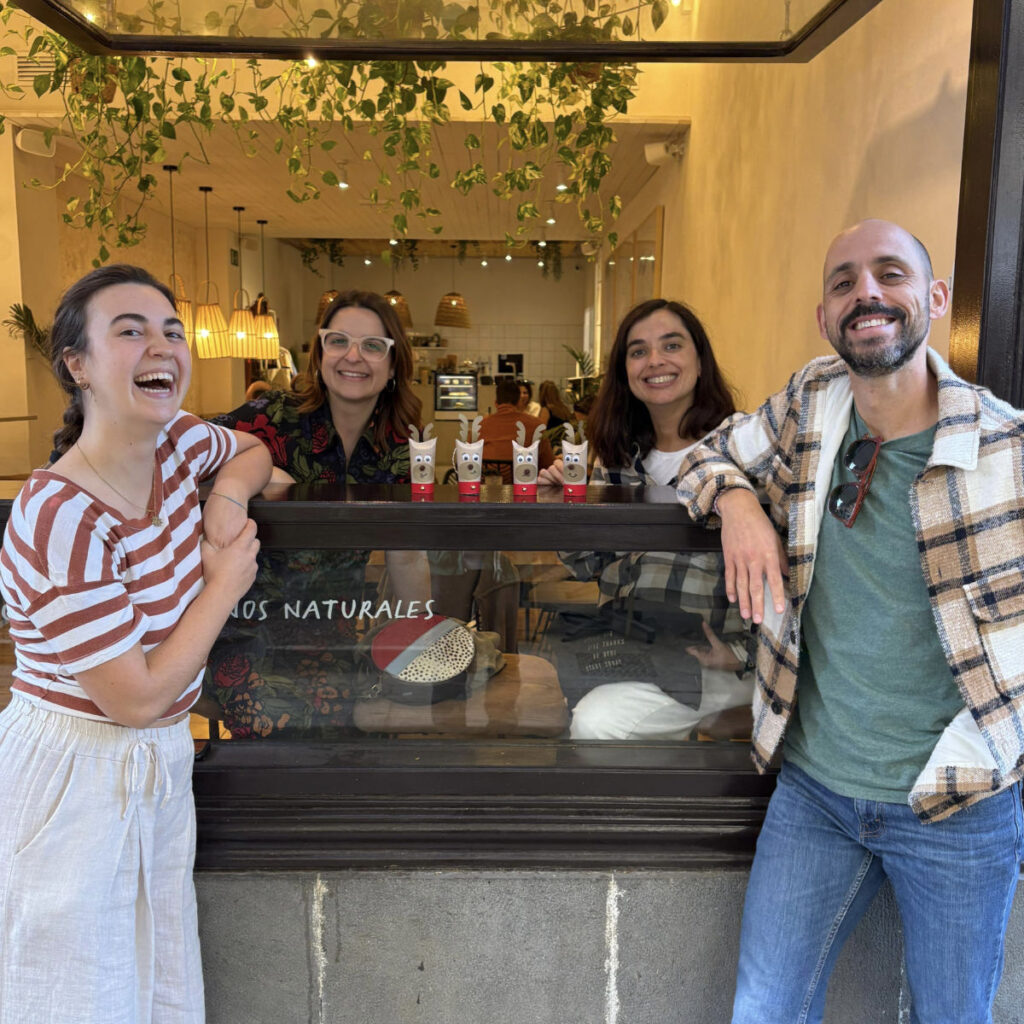
Para terminar, te cuento que durante nuestra sesión de feedback con el equipo, siempre le dedicamos un ratito a reflexionar sobre la hucha de las mierdas y las cosas que podríamos haber hecho mejor. Sabiendo los cambios que nos esperaban y viendo como varios proyectos se nos iban cayendo…nos planteamos ¿Igual teníamos que haber parado antes? Igual sí, pero no podemos volver atrás en el tiempo. Lo importante es que lo hagamos, aunque tardemos un poco en tomar la decisión, pero que nos bajemos de la rueda y que paremos. Más vale tarde que permitir que el barco se siga hundiendo. Esto no significa que Pueblos Remotos pare en seco, pero sí vamos a bajar el ritmo, nos vamos a enfocar en la rentabilidad de lo que hagamos y vamos a oxigenarnos todo lo que haga falta para que podamos seguir a flote muchos años más.
¨¿Y tú, qué vas a hacer para oxigenar durante 2025?¨