
Conversación de Alvaro Valls, participante de Icod Remoto 2021, con Carlos Jonay Suárez, cofundador de Pueblos Remotos.
Si quieres, también puedes escuchar la entrevista:
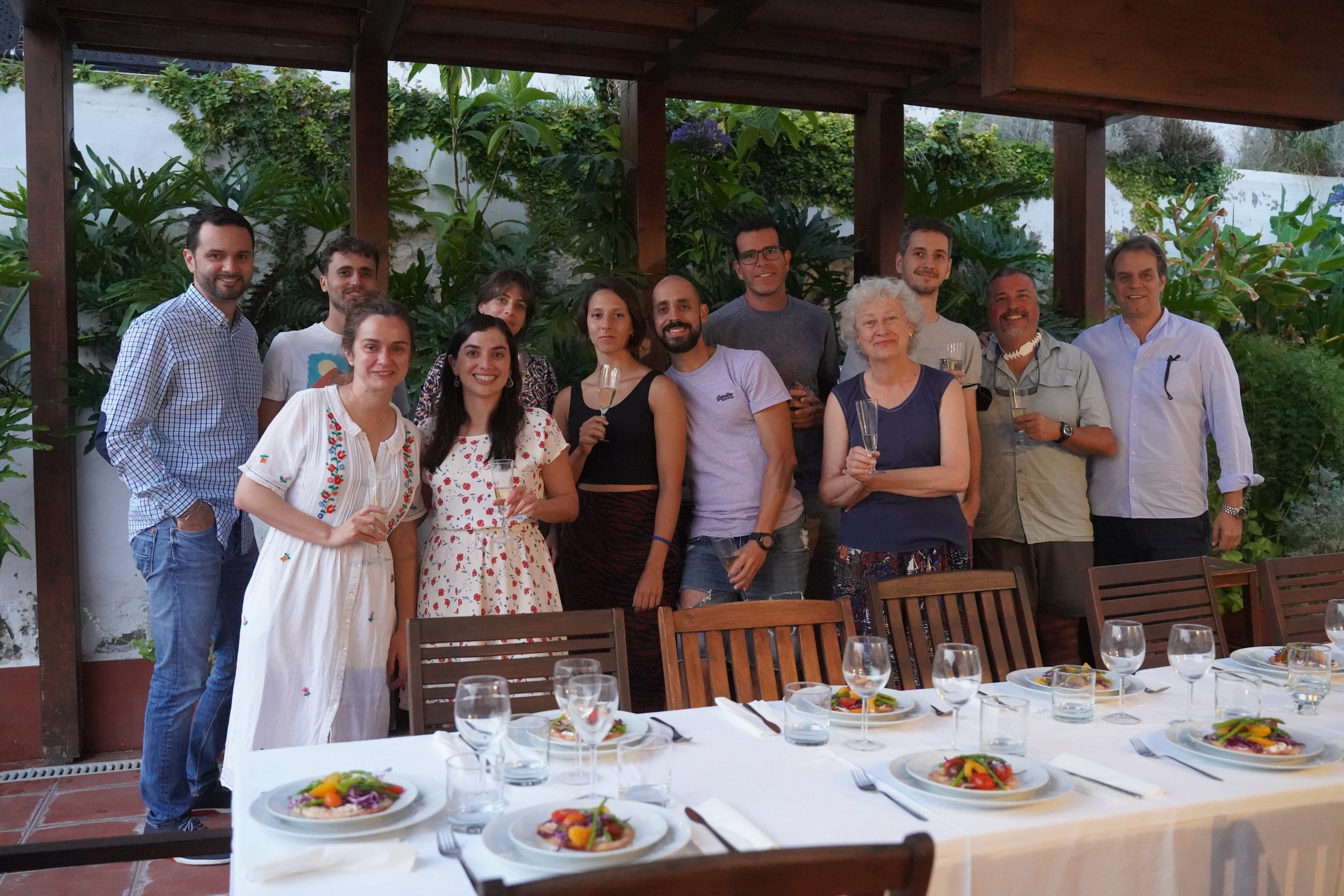
Alvaro Valls participó en la primera edición, y proyecto piloto, de Pueblos Remotos: Icod Remoto. Junto con otros 9 compañeros vivió de primera mano la experiencia de la ruralidad conectada en un entorno de lujo, el municipio de Icod de los Vinos.
Nueve meses después, hablamos con él para preguntarle cómo ve el proyecto actualmente, y conocer el porqué se decidió a repetir, esta vez teletrabajando por cuenta propia desde el citado municipio:
Ya han pasado unos cuantos meses desde Icod Remoto, con todo más madurado, y con algo de tiempo desde que terminó el programa ¿Qué sensación tienes con respecto al mismo?
Tengo un recuerdo muy entrañable, por lo que viví allí, tanto por la parte de los actores locales que conocimos, gente que nos recibió con los brazos abiertos y una sonrisa, como por los compañeros (teletrabajadores), ya que son personas inquietas, con unos valores muy alineados y eso hace que la gente conecte, que surjan sinergias.
Viendo con perspectiva el proyecto, teníamos la visión de que nosotros íbamos a aportarles nuestro conocimiento profesional a sus proyectos, pero mi sensación es que les aportamos más en el ámbito personal (a los actores locales) que en el profesional, o al menos la personal fue más significativa.
En esta misma línea ¿Cómo es ahora mismo tu relación en el “día a día” con los otros participantes (teletrabajadores)? ¿Y con los actores locales?
El hecho es que siempre conectas más con unos que con otros, aunque hubo muy buena sintonía en general. Pero a día de hoy hay varios con los que tengo contacto y con los que he hecho amistad, lo cual es normal, ya que es el fruto de compartir tiempo y vivencias con personas alienadas con muchos de tus valores. Al final tengo bastante contacto con todos, sigo sus vivencias por redes sociales y quieras que no, eso siempre te trae recuerdos y te revive momentos.
Con los actores locales, también tengo contacto regular, sobre todo con los que tuve más sinergias. Tenemos conversaciones de tanto en tanto, nos enviamos mensajes de WhatsApp y sigo el “día día” de casi todos a través de las redes. Todo ello me recuerda a las buenas vivencias que tuvimos en Icod.
¿Cómo de “conectado” te sientes con el proyecto?
Con el proyecto en sí, la conexión más cercana que tengo son los recuerdos de todo lo que viví allí. Al final conectas con las personas, con el pueblo, con todo. Por ejemplo, cuando he visto imágenes de Antigua Remoto, podía imaginarme perfectamente todo lo que estaban viviendo, sintiendo, etc.
Cinco meses después de terminar Icod Remoto, decidiste volver al municipio para teletrabajar desde el mismo durante 10 días ¿Cuál fue (fueron) tu principal motivación para volver?
Gracias a la posibilidad de teletrabajar, puede ir con otro de los compañeros de Icod Remoto (Raúl Navarro) Los principales motivos fueron volver a un sitio donde tengo muy buenos recuerdos y donde sabía que me iba a reencontrar con personas a las que tengo cariño y con las que lo pasé muy bien.
Sabía que íbamos a tener muy buenas vivencias de nuevo y que iba a ser una apuesta segura.
¿Cómo fue la experiencia como teletrabajador desde el Icod de los Vinos? ¿Ves al municipio preparado para atraer a perfiles como el tuyo?
La verdad es que fue un poco difícil encontrar unas condiciones “óptimas” para el teletrabajo.
En términos de alojamiento turístico, están preparados para albergar a cuantas más personas (camas) mejor y no se invierte en un espacio, dentro de la vivienda, que se parezca a un puesto de trabajo “serio.”
Suplimos la parte de teletrabajo yendo a un pequeño espacio de coworking que está ubicado en el centro de Icod, nos costó un poco encontrarlo, la verdad, pero al final nos sirvió para poder teletrabajar bien y cómodos.
En cuanto a mejoras, al municipio le falta un “poquito” para estar preparado, pero claro, esto es como la pescadilla que se muerde la cola ¿no?¿Preparo el pueblo primero para recibir a la comunidad?¿Atraigo a la comunidad y después preparo el pueblo? Al final alguien tiene que dar el primer paso (como sucedió en Icod Remoto, donde el alojamiento estaba preparado para teletrabajar) y empezar a posicionar al municipio para recibir a teletrabajadores.
Si quieren estar preparados, hay que apostar un poco más, tanto desde la parte pública, como desde la parte privada.
¿Retomaste alguno de los retos/proyectos con algún actor local?
En esta segunda estancia, no. Nos encontramos con algunos de los actores locales y comentamos varias cosas por encima, pero no nos “arremangamos” y nos pusimos en los asuntos que tratamos durante Icod Remoto.
Fue un poco más reavivar las relaciones, compartir con ellos, etc. Además, no era tanta la “necesidad” latente por su parte como para que se diera esta situación al volver, fue algo más personal.
Pero, por ejemplo, si qué sucedió que conocimos a otra actriz local, que no puedo estar en Icod Remoto y sí que pasamos un buen rato con ella conociendo su proyecto.
¿Tienes en mente volver a Icod en algún momento o incluso participar en alguna futura edición de Pueblos Remotos?
Volver a Icod, por supuesto. No tengo fecha, pero me gustaría volver pronto. Y participar en otra edición de Pueblos Remotos, pues no lo descarto, estas ediciones tienen alicientes similares a lo que viví en Icod Remoto y por supuesto, no está descartado volver a participar.