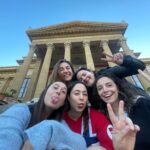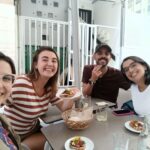

¿Te imaginas lo que pasaría si juntáramos a 10 estudiantes de 7 grados y másteres distintos y los pusiéramos a trabajar resolviendo retos reales en una finca ecológica, una tienda que vende productos locales y una dulcería artesanal?Eso es exactamente lo que logramos con “Pueblos Remotos ULL Guía de Isora”. En su tercera edición, esta iniciativa —en colaboración con la Universidad de La Laguna— ha demostrado ser mucho más que un proyecto académico: es un espacio donde la juventud, la innovación y el compromiso con el desarrollo sostenible se encuentran para generar un impacto positivo tanto en los estudiantes como en las comunidades locales.
Los retos de la juventud actual: una barrera que debemos superar
La juventud de hoy en día se enfrenta a desafíos que van más allá de lo académico o lo profesional. Son barreras sociales, emocionales y culturales que limitan su desarrollo personal y su capacidad para enfrentar los retos del mundo real:
- Sociedad individualista: La cultura del “yo primero” y la desconexión emocional han debilitado los valores de colaboración y comunidad.
- Problemas de habilidades sociales y comunicativas: El uso inadecuado de la tecnología ha reducido la capacidad de interactuar cara a cara, afectando la empatía y la comunicación efectiva.
- Juventud conformista: Existe una falta de interés generalizado por el emprendimiento y la búsqueda de soluciones innovadoras para el desarrollo sostenible.
- Desconexión con la naturaleza y el mundo rural: Much@s jóvenes han perdido el vínculo con los entornos naturales, olvidando su importancia para nuestro bienestar y sostenibilidad.
- Falta de creatividad: La rutina académica tradicional a menudo sofoca la capacidad de pensar fuera de la caja.
Desconexión entre el aprendizaje académico y los contextos reales: Lo que se aprende en las aulas rara vez se aplica en situaciones del día a día, lo que genera frustración y falta de propósito.

Los beneficios de “Pueblos Remotos Estudiantes”
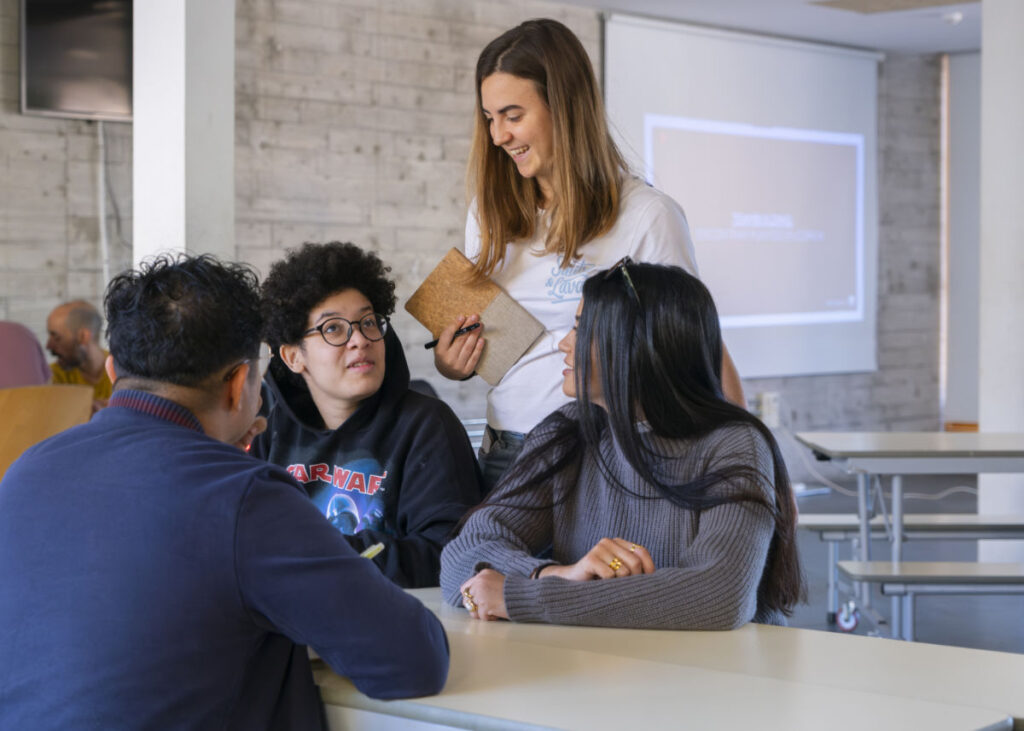
Desde Pueblos Remotos comenzamos en 2024 con nuestras experiencias para estudiantes: Pueblos Remotos Estudiantes (principalmente de Universidades, másteres o Formación Profesional), en los que 10 estudiantes conviven durante 5 días en un municipio rural, trabajando con emprendedor@s locales, nutriéndose de aprendizajes a nivel personal y profesional.
Además, este proyecto no solo identifica los retos en relación con la juventud actual mencionados anteriormente, sino que también trabaja activamente para combatirlos, ofreciendo a l@s jóvenes una experiencia educativa única, práctica y transformadora:
1. Aprendizaje experiencial y aplicado
L@s estudiantes aplican sus conocimientos académicos en contextos reales. Las soluciones que se idean para los negocios locales no son ejercicios teóricos, sino respuestas concretas a problemas reales que afectan a estos pequeños emprendimientos.
2. Fomento de habilidades sociales y comunicativas
El trabajo en equipo, las reuniones con emprendedor@s locales y las presentaciones que se realizan, permiten a l@s jóvenes desarrollar habilidades sociales esenciales: comunicación efectiva, empatía y capacidad de escucha activa.
3. Conexión con la naturaleza y el entorno rural
Visitar los emprendimientos ubicados en entornos rurales, conocer su historia, entender los desafíos a los que se enfrentan y descubrir la dedicación detrás de estos negocios, genera una nueva valoración por el mundo rural y sus oportunidades.
4. Desarrollo de la creatividad y el pensamiento innovador
Cada reto es una invitación a pensar fuera de lo convencional. L@s estudiantes aprenden a buscar soluciones creativas y sostenibles, enfrentándose a desafíos que no tienen respuestas predefinidas.
5. Fortalecimiento de la autoconfianza y el liderazgo
Salir de la zona de confort y enfrentarse a situaciones diversas, permite que l@s estudiantes refuercen la confianza en ell@s mism@s y desarrollen habilidades de liderazgo.
6. Gestión del tiempo y recursos
Planificar, priorizar y ejecutar tareas dentro de un plazo concreto es una parte fundamental del proceso. L@s estudiantes aprenden que cada minuto y cada recurso cuenta cuando se trabaja en un entorno real.
Testimonios que inspiran
Asimismo, uno de los participantes, de PR ULL Guía de Isora, reflexionó sobre su experiencia:
“Esta experiencia me permitió conocer mucho mejor la realidad de un municipio rural. Entendí los desafíos que enfrentan, como la falta de recursos o la necesidad de atraer más población, pero también las oportunidades que tienen para innovar y desarrollarse. Ver de cerca cómo los emprendedor@s locales aprovechan sus recursos y creatividad para superar esas dificultades fue muy inspirador y me ayudó a valorar aún más el potencial del entorno rural.”
Por su parte, una emprendedora local comentó:
“Estoy muy contenta con la experiencia de Pueblos Remotos, ya que me ha abierto muchas vías y sobre todo me ha cambiado la mentalidad que tenía antes. Al estar metida en el proyecto, en mi caso en la finca, es complicado conocer qué otras posibilidades existen. Los estudiantes que han participado en la experiencia, me han ayudado aportando nuevas ideas. Esto es, yo los veo como “savia nueva” que llega a la finca, viene de otros ámbitos, además de estar preparados, con ideas más actualizadas. Esto me ha ayudado para plantear nuevas acciones que puedo mejorar y seguir haciendo, siendo además económicamente no muy costosas pero si muy viables» – Maria del Mar, fundadora de la Finca Las Dulces.
Por todo esto, concluimos que “Pueblos Remotos Estudiantes” es mucho más que un proyecto educativo: es un puente entre la juventud, la academia y la comunidad. Demuestra que cuando l@s jóvenes reciben la oportunidad de salir de las aulas, conectar con la realidad y enfrentarse a retos concretos, se convierten en agentes de cambio capaces de transformar sus entornos.
El éxito de esta tercera edición reafirma la necesidad de seguir apostando por este tipo de iniciativas. Porque invertir en la juventud no es solo una apuesta por el futuro, sino con un presente más comprometido, más creativo y más sostenible.
Actualmente, desde Pueblos Remotos estamos buscando oportunidades para replicar este tipo de experiencias en otros lugares a nivel estatal y europeo. Por lo tanto, si tienes relación o conoces alguna institución educativa que le podría interesar esta iniciativa háznoslo saber. Muchísimas gracias y ¡Hasta la próxima experiencia!