
Artículo redactado por Elsa Rodríguez (cofundadora de Pueblos Remotos y especialista en sostenibilidad turística)
En Pueblos Remotos, uno de los valores que siempre hemos defendido, desde que empezamos a diseñar esta iniciativa, es la sostenibilidad, tanto la medioambiental, como la social y la económica. Estos tres pilares tienen que estar presentes porque si no es así, dejamos de ser sostenibles. Además, deben estar alineados con los Objetivos de Desarrollo Sostenible (ODS), de la Agenda 2030 de Naciones Unidas, que se acordaron en 2015.
Los 17 ODS, para los que no estén familiarizados con ellos, son una llamada a la acción global para promover la prosperidad y proteger el planeta. Estos objetivos reconocen que, poner fin a la pobreza debe ir de la mano de estrategias que generen crecimiento económico y examinen necesidades sociales como: la educación, salud, protección social y las oportunidades laborales, al mismo tiempo que abordan el cambio climático y la protección del medio ambiente.

Objetivos de Desarrollo Sostenible establecidos por la Agenda 2030 de Naciones Unidas
Para cada uno de los objetivos se establecen metas, e indicadores, específicos con el fin de medirlos. En total, los 17 ODS se definen en una lista de 169 metas y se acuerda que el progreso hacia estos objetivos sea medido por 232 indicadores únicos. Por este motivo, nosotros siempre medimos el impacto que generamos con las experiencias que organizamos. Puedes leer más sobre esto en este artículo que publicamos hace unas semanas: “Generando impacto positivo en el entorno rural”
Aunque los ODS son un acuerdo mundial firmado por 195 naciones, no muchas personas (incluidas empresas, organizaciones y administraciones públicas) entienden realmente cómo pueden contribuir a la mayoría de ellos. En este blog post te contamos cómo nosotros, con Pueblos Remotos, contribuimos a varios ODS y te lo mostramos utilizando ejemplos prácticos. Esperamos que esto sirva para inspirarte y que así todos podamos ser un poquito más sostenibles, porque cada granito de arena cuenta.
ODS 8: Trabajo decente y crecimiento económico
El ODS 8 es, posiblemente, el objetivo al que contribuímos más directamente. Hay que tener en cuenta que una determinada acción puede alinearse con varios objetivos a la vez, o hacerlo de forma directa con unos, e indirecta con otros. Aquí, de todas formas, vamos a explicarlo de forma general.
Pueblos Remotos es la demostración de que el desarrollo de un modelo turístico sostenible, alejado del turismo de masas tradicional, que ha reinado tanto en las Islas Canarias, como en otros destinos maduros, es posible. Co-creamos junto con la comunidad local todo lo que hacemos, desde el diseño, hasta la implementación de las experiencias, y pensamos que lo más importante es siempre el bienestar de la población local. Por ello, nos preocupamos de generar un impacto socio-económico positivo que perdure en los territorios donde actuamos (alineado con la meta 8.9)
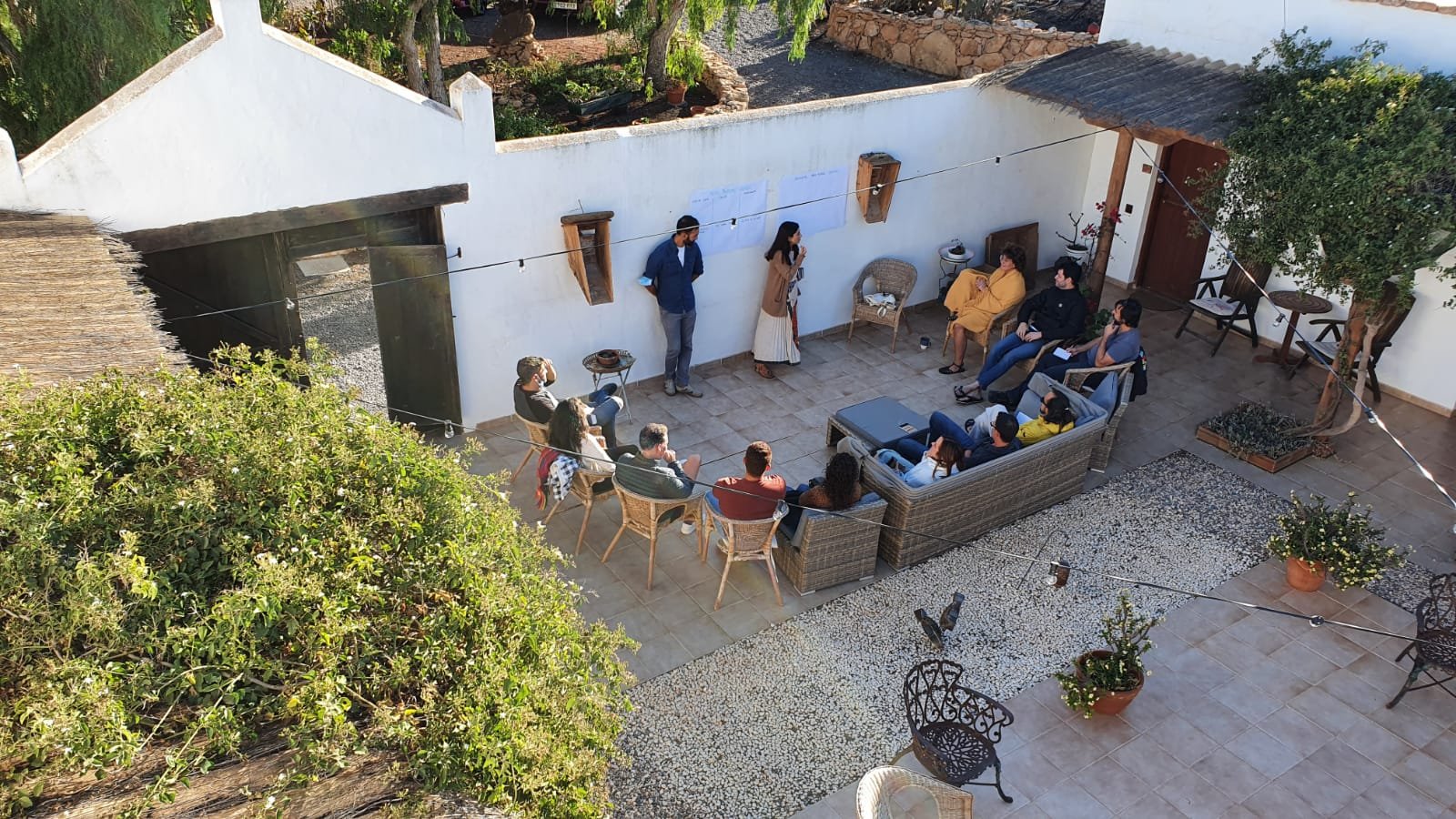
Sesión de co-creación con los actores locales durante la edición de Antigua Remoto
Para poder montar las experiencias y atraer teletrabajadores a estos entornos rurales, hacemos un análisis previo y seleccionamos el municipio, el alojamiento y los actores locales con los que colaboramos, en base a unos criterios bastante estrictos. Entre ellos, cabe destacar el compromiso con la sostenibilidad, y en el caso del alojamiento, tiene que tener conectividad a internet de alta velocidad, espacios comunes, y una capacidad suficiente para albergar entre 8 y 12 trabajadores remotos (alineado con la meta 8.2)
Uno de nuestros objetivos principales es impulsar y apoyar a los emprendedores rurales que pre seleccionamos para cada edición. Con ellos, colaboramos de dos formas:
1) Realizando actividades. A través de ellas muestran en qué consisten sus negocios de forma práctica, y en muchos casos, resultan ser nuevos productos turísticos y una nueva fuente de ingresos para ellos, que antes no habían contemplado. Por ejemplo, una actividad puede ser realizar un taller de semilleros sostenibles utilizando semilla local o producir monederos de forma artesanal (alineado con la meta 8.9)
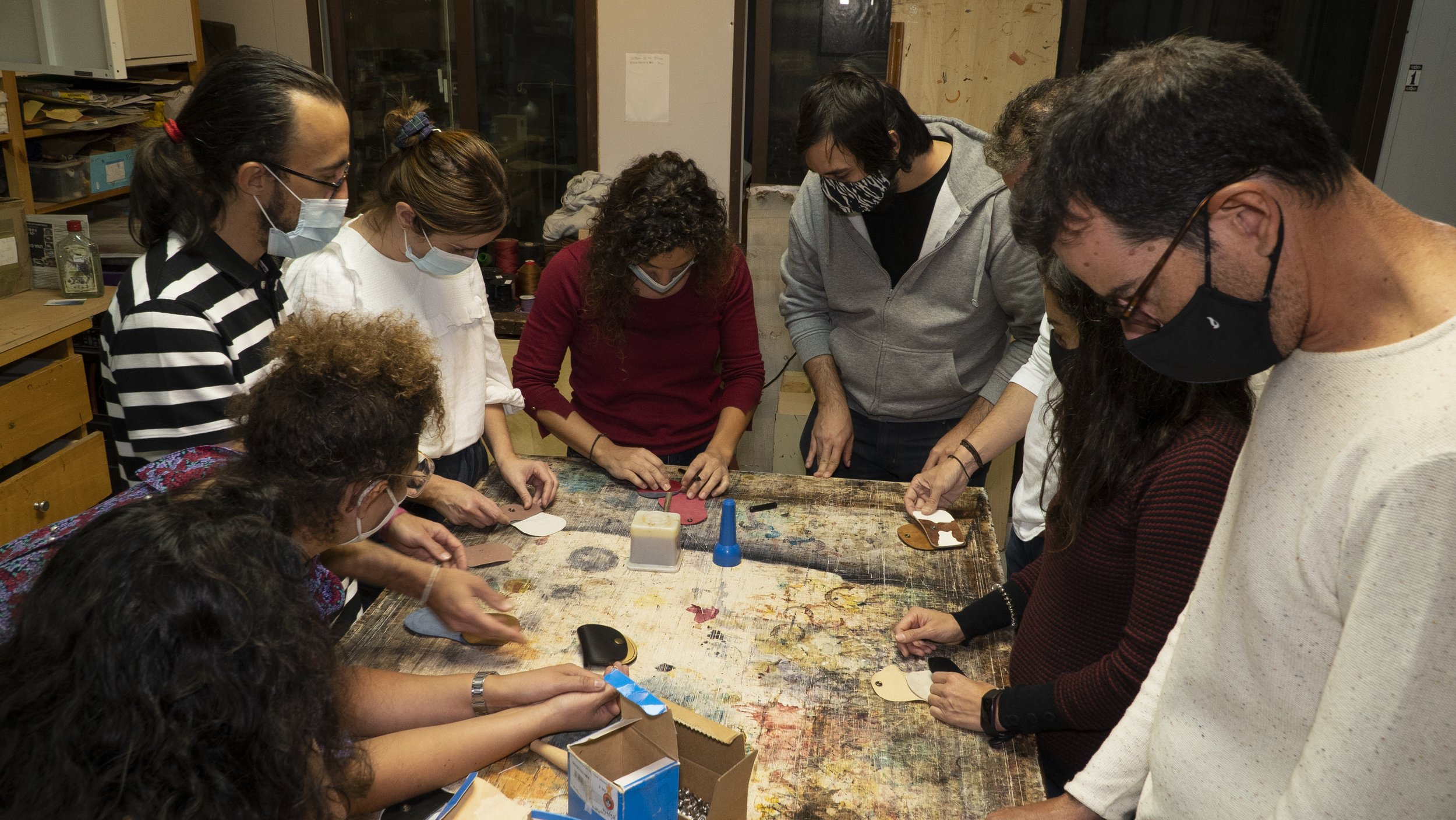
Actividad de fabricación de monederos artesanales con Paula de Flypart Artesanías durante Antigua Remoto
2) Resolviendo retos. Les ayudamos a solucionar algunas de sus necesidades, que pueden ser más técnicas, como mejorar su página web, o diseñar una estrategia de marketing y comunicación, o más prácticas como preparar una parcela de la finca para plantar viñas (alineado con la meta 8.3)
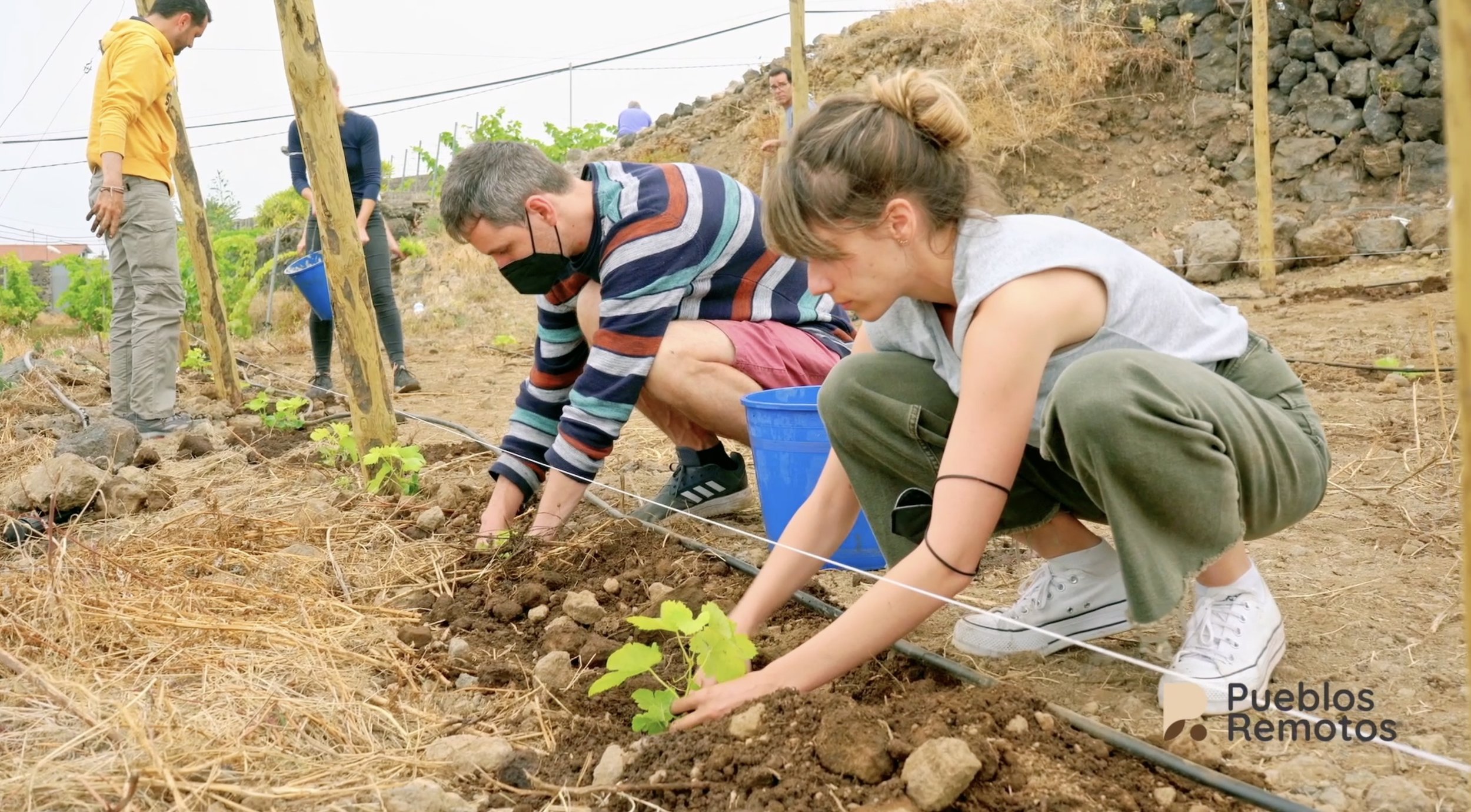
Reto plantando viñas con Víctor de Bodega Cámbium durante icod Remoto
ODS 11: Ciudades y comunidades sostenibles
Nuestras experiencias invitan a los participantes a salir de los núcleos urbanos para experimentar lo que es teletrabajar y vivir desde un entorno rural durante 21 días, y están diseñadas específicamente para generar conexiones entre personas de ambos mundos. Por eso, con nuestro lema por excelencia: la “Ruralidad Conectada”, promovemos que los teletrabajadores conecten con los emprendedores rurales y que los dos grupos conecten entre ellos mismos también. De esta manera, surgen vínculos y sinergias que van mucho más allá de esas 3 semanas y que continúan en el tiempo (alineado con la meta 11.a)

Reencuentro de teletrabajadores y actores locales de Icod Remoto en Tenerife 5 meses después de vivir la experiencia
ODS 12: Producción y consumo responsables
Todas las actividades que realizamos dentro de nuestras experiencias tienen como objetivo visibilizar tanto los productos que se elaboran localmente, como las tradiciones y la cultura del lugar donde estamos. Las actividades con los actores locales principales, incluyen siempre un picoteo al final, donde se consumen productos de la zona, o representativos del negocio en cuestión. Asimismo, las actividades secundarias (ej. rutas de senderismo, charlas culturales, visitas gastronómicas), también incluyen estos mismos valores de promoción del entorno natural, la cultura y las tradiciones (alineado con la meta 12.b)

Brindis en el brunch de la Casa del Drago durante Icod Remoto
ODS 17: Alianzas para lograr los objetivos
La implicación del sector público en iniciativas como la nuestra, es sumamente importante, porque aseguran la continuidad del trabajo que hacemos, y además, dan confianza al ecosistema emprendedor de ese entorno rural. Siempre trabajamos conjuntamente con las administraciones insulares (Cabildos) y las locales (Ayuntamientos), con las universidades y con el sector privado, a través de colaboradores y de los propios emprendedores rurales (alineado con la meta 17.17).
«Debido a su naturaleza inter sectorial, el turismo tiene la capacidad de reforzar las asociaciones público-privadas y de involucrar a múltiples agentes interesados – internacionales, nacionales, regionales y locales – para trabajar conjuntamente con el fin de alcanzar los ODS y otros objetivos comunes» Organización Mundial del Turismo
Este último ODS es, quizás, el más importante y el que más presente tenemos en nuestro día a día. Nosotros, como empresa social y como ciudadanos, sabemos que tenemos nuestra parte de responsabilidad dentro de la sociedad para conseguir alcanzar los 17 ODS. Por ello, seguiremos enfocados en ser lo más sostenibles posible en todas nuestras acciones y les demandaremos lo mismo tanto a nuestros proveedores como a nuestros clientes.