
Te quiero contar todo lo que no se ve, lo que queda oculto detrás del telón. Con la organización de experiencias ocurre algo similar a la puesta en escena de una obra de teatro. No somos conscientes de todo el trabajo de preparación previo, de horas de ensayo, pruebas de vestuario, negociaciones con proveedores, y un largo etc. Nos quedamos solo con las dos horas de espectáculo, pero para llegar a ese punto se ha puesto mucho esfuerzo y dedicación.
Si nos sigues en redes y estás suscrito a nuestra newsletter, sabrás que acabamos de terminar de implementar la experiencia del Pop-up Coliving Almagro (Ciudad Real) de 7 días de duración (del 8 al 15 de marzo) y que estamos ahora promocionando Pueblos Remotos Carnota (Galicia) de 21 días que tendrá lugar del 4 al 25 de mayo. Utilizando estos dos ejemplos, junto con ediciones pasadas, me gustaría explicarte todo lo que ocurre tanto en el previo, como en el durante, y una vez que terminamos las experiencias.
En septiembre de 2022 escribí este artículo: ¿Es la co-creación de experiencias el verdadero desarrollo? En el que explicaba las 5 fases para llevar a cabo cada una de nuestras experiencias (análisis, diseño, implementación, cierre y seguimiento). Hoy quiero ir más allá, darte aún más detalles. Quiero poner en valor todo el trabajo que hay detrás y darle visibilidad, que salga a la luz.
Carlos también hizo un esfuerzo explicando en este blog post ¿Cuánto vale participar en una experiencia de Pueblos Remotos?, pero es algo que nos sigue costando mucho transmitir. No queremos que te quedes solo en el precio numérico, queremos que entiendas con pelos y señales, todo lo que hay detrás del trabajo que desempeñamos.
Venga, lo voy a intentar…¡Vamos allá! 🙂
El previo: 5 meses antes de la experiencia
Al menos 5 meses antes de empezar una experiencia comienza el trabajo de investigación. Nosotros lo dividimos en 3 fases: análisis, diseño y captación. Estas tres fases tienen que llevarse a cabo antes de poder implementar la experiencia. Son, sin duda, a las que más tiempo les dedicamos, pero las que personalmente más disfruto.
1) FASE DE ANÁLISIS: el primer paso para nosotros es entender bien el contexto en el que vamos a estar trabajando y para ello necesitamos hacer un informe de análisis donde recogemos datos económicos y sociales, fondos disponibles, infraestructura existente, etc. Además, tenemos criterios específicos que nos ayudan a seleccionar el pueblo, el alojamiento y a los emprendedores rurales con los que vamos a trabajar.
- Selección del Pueblo: tenemos varios filtros para elegir un determinado pueblo como por ejemplo que tiene que tener menos de 10.000 habitantes, tiene que estar bien conectado con transporte público, tiene que haber un alojamiento o varios alojamientos con capacidad suficiente y emprendedores con proyectos interesantes. En el caso de la reciente experiencia de Pop-up Coliving empezamos con esta fase en octubre de 2023. Tras unas semanas de búsqueda por internet y varias llamadas, fueron tres los pueblos finalistas en la provincia de Ciudad Real: Villanueva de los Infantes, Almagro y Campo de Criptana. Decidimos hacerlo finalmente en Almagro porque era el que mejor cumplía los criterios.
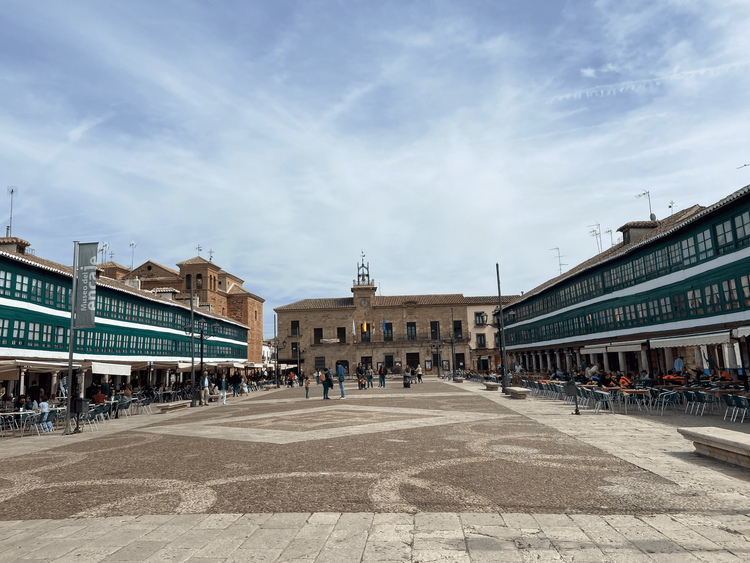
Plaza Mayor de Almagro durante el fin de semana de nuestra experiencia de Pop-up Coliving Almagro 2024
- Selección del Alojamiento: lo primero es que tiene que tener una capacidad para mínimo un mínimo de 10 personas. Nosotros medimos la capacidad en número de camas (sin incluir sofás), nos da igual si son de matrimonio o no, ya que la mayoría de nuestros participantes acuden de manera individual. Necesitamos que tenga espacios comunes (cocina, salón, etc.) y que uno de ellos pueda hacer las veces de coworking. Además, tiene que tener buena conexión a internet (preferiblemente fibra óptica) y esto es algo que testeamos siempre en persona. Valoramos que esté bien ubicado, que se pueda ir caminando a algunas tiendas locales y demás servicios necesarios. También es un añadido que los dueños sean personas implicadas en el pueblo.
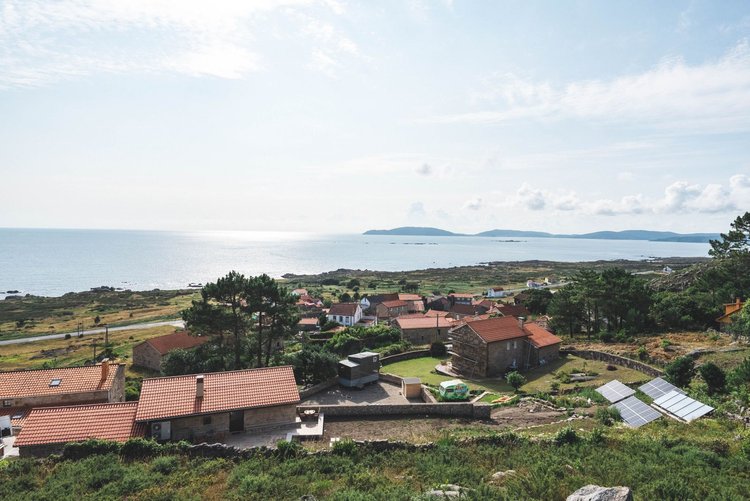
Vistas desde Aldea Soma, el alojamiento de nuestra próxima experiencia Pueblos Remotos Carnota 2024 (Galicia)
- Selección de los emprendedores rurales: son la piedra angular de nuestro proyectos, por ellos y para ellos hacemos nuestras experiencias. Nos fijamos más en las personas y sus historias que en los proyectos de emprendimiento en sí mismos. Algunos de los criterios que tienen que cumplir son:
- Estar alineados con los Objetivos de Desarrollo Sostenible
- Tener potencial de mejora y crecimiento
- Ser representativos de la zona rural
- Estar comprometidos y con disponibilidad para implicarse
- Colaborar con otros emprendedores
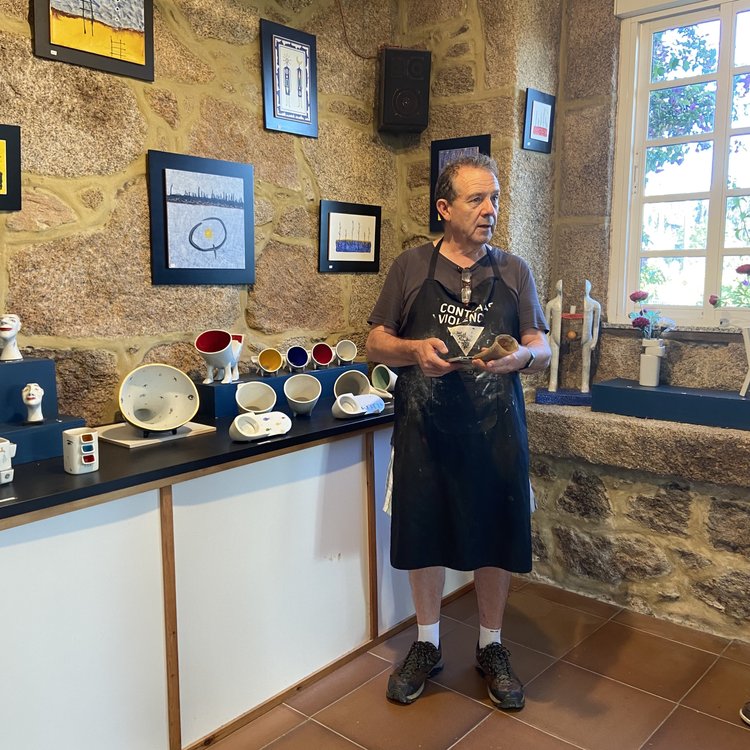
Primera vez que conocimos a Nacho Porto, un artista que lleva más de 40 años haciendo cerámica creativa de autor y desarrollando técnicas propias. Con él vamos a colaborar en la experiencia de Pueblos Remotos Carnota 2024.
- Visita en persona al lugar: una vez hemos hecho toda la identificación, siempre organizamos una visita al lugar para ver todo en persona y hacer los contactos necesarios. En algunas ocasiones, sólo viendo las fotos del alojamiento no se puede entender bien la distribución de las habitaciones, por lo que siempre queremos verlo en directo. También nos encanta pasar un rato con los emprendedores en su lugar de trabajo y entender mejor cuáles son los retos a los que se enfrentan y qué tipos de actividades podemos hacer con ellos.
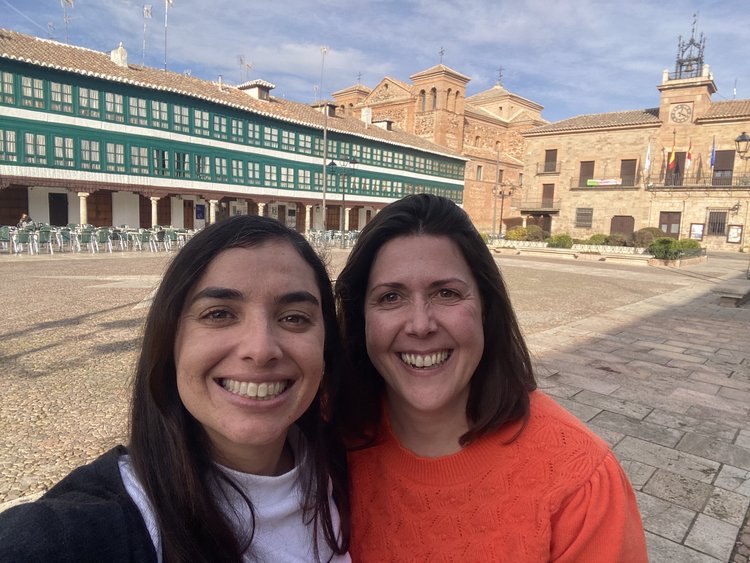
María Jesús y Elsa durante la primera visita en persona a Almagro en febrero de 2024.
- Identificación de sponsors y colaboradores: esta parte también es clave para que el proyecto salga adelante. Lamentablemente, no podemos hacerlo todo nosotros por lo que siempre intentamos involucrar a distintas personas, asociaciones o proyectos colaboradores así como posibles sponsors y administraciones públicas, como el Ayuntamiento o los grupos de acción local, que no siempre nos apoyan económicamente, pero sí en especie o dándonos visibilidad.
- En el caso de Almagro (7 días): contamos desde el principio con María Jesús, natural del pueblo vecino de Membrilla y participante de Pueblos Remotos Fuencaliente en 2022. Como líder local, nos ayudó con toda la parte de identificación y diseño de la experiencia. Intentamos contactar con el Ayuntamiento de mil maneras, pero hasta que no fuimos allí en persona y tuvimos la oportunidad de conocer a los emprendedores locales, no pudimos conectar directamente con algunos de los concejales. Finalmente conseguimos que nos esponsorizasen algunas de las actividades como la visita al Corral de Comedias, rutas guiadas por el casco histórico y bonos turísticos. Normalmente, hacemos este proceso al revés, es el Ayuntamiento quién nos ayuda a identificar a los emprendedores locales, pero cuando esto no funciona, nos tenemos que adaptar y buscar cualquier otra vía posible. En Almagro, también conseguimos que el grupo de acción local nos cediera un espacio para teletrabajar.
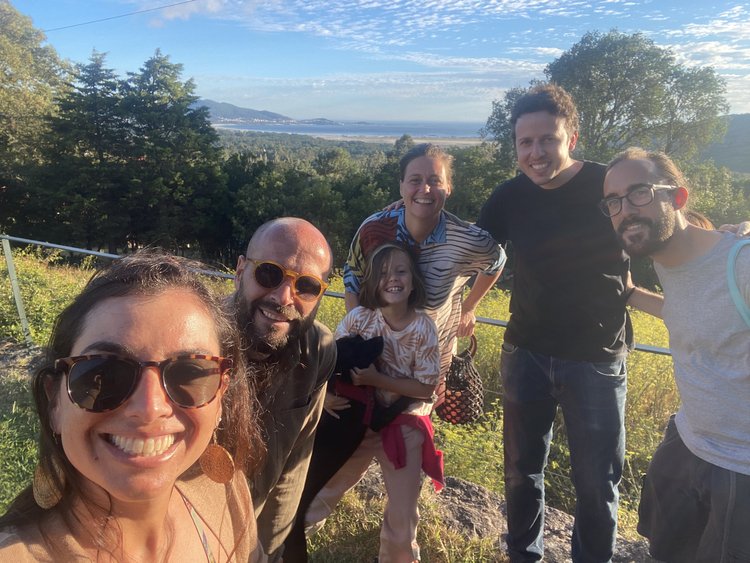
Primera visita en persona que hicimos a Carnota en agosto de 2022 junto con Javier Boquete, nuestro líder local y Alba Fernández, una de las emprendedoras locales con las que vamos a colaborar.
- En el caso de Carnota (21 días): para poder desarrollar experiencias de tres semanas de duración, necesitamos apoyo financiero porque sin esa ayuda monetaria, no podemos ponerlas en marcha. Nuestro líder local, Javier Boquete, lleva desde finales de 2022 intentando convencer a las autoridades de Carnota (Deputación da Coruña y Concello de Carnota) para que nos apoyasen y casi 2 años después lo hemos conseguido. Gracias a este aporte económico podemos sacar al mercado tickets a precios tan competitivos como 975 euros, precio que cubre alojamiento, actividades, transporte, equipo de Pueblos 24/7, reto local, etc. También vamos a estar colaborando con asociaciones locales, el instituto de Carnota y otros actores relevantes que hacen que esta experiencia sea posible.
2) FASE DE DISEÑO: muchas veces la fase de análisis, diseño y captación se solapan y tenemos que hacerlas en paralelo para poder sacar la experiencia en tiempo y forma. Organizamos sesiones de ideación junto con los emprendedores locales. Decidimos las actividades a realizar e identificamos los retos que tiene cada uno. Al final de esta fase, hacemos el lanzamiento para el llamamiento de los teletrabajadores y proceder a su selección final.
- Co-creación de la experiencia: lo primero que hacemos una vez seleccionados los emprendedores principales (suelen ser 2 para las experiencias de 7 días y un máximo de 4 para las experiencias de 21 días) con los que vamos a hacer las actividades, ó visitas, es planear con ellos qué tipo de actividad vamos a realizar y cómo vamos a hacerla especial para nuestro grupo. En paralelo, vamos identificando actividades que puedan ser secundarias u opcionales (senderismo, yoga, limpieza de playas, visitas culturales, etc.) que también ofreceremos a los participantes. Así mismo, nos informamos de si hay alguna fiesta ocurriendo en esos días, acontecimientos culturales y negociamos con restaurantes del lugar menús especiales para el grupo.
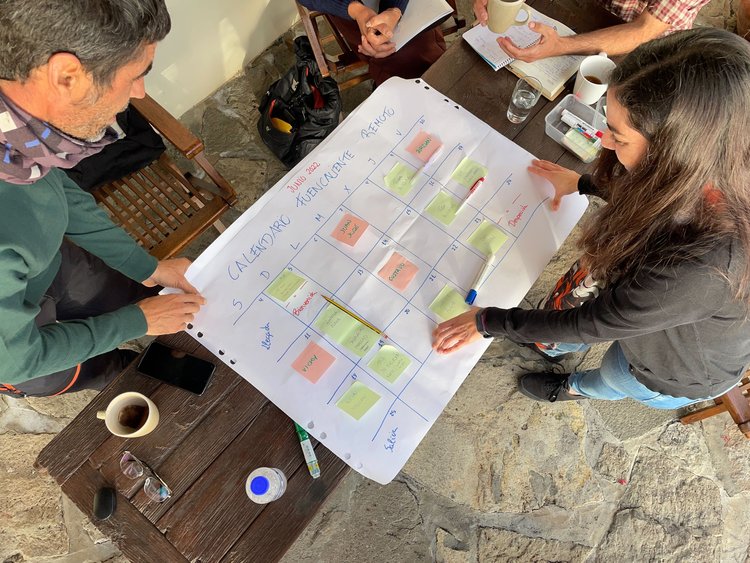
Sesión de co-creación y construcción de calendario para la experiencia Pueblos Remotos Fuencaliente 2022
- Construcción del calendario: con toda esta información nos ponemos manos a la obra junto con el líder local y los emprendedores rurales para construir el calendario en base a la disponibilidad de ellos pero también para equilibrarlo lo máximo posible y no saturar la agenda con muchas cosas. No queremos crear FOMO (Fear Of Missing Out, en sus siglas en inglés), sino una experiencia lo más completa y equilibrada posible. Les ponemos día y hora a las actividades principales y generamos una Welcome Guide donde incluimos: logística para llegar al lugar, recomendaciones de qué llevar, agenda y horarios, tiendas locales donde comprar, restaurantes, espacio de coworking, conexión a la red wifi, contactos relevantes y otros enlaces de interés.
3) FASE DE CAPTACIÓN: una vez tenemos toda la información sobre la experiencia, generamos una página web donde explicamos exactamente cómo va a ser, con qué emprendedores rurales vamos a colaborar y en qué reto nos vamos a involucrar. También elaboramos un documento con preguntas frecuentes donde resolvemos las dudas más comunes y un formulario de inscripción que nos ayuda a filtrar antes de hacer las entrevistas finales. A través del formulario podemos ver el verdadero interés de las personas en participar en este tipo de experiencia. Cuando por fin lanzamos la experiencia, comienza la fase de captación, la que es, probablemente, es la más difícil para nosotros y la que más nos cuesta porque no somos una agencia de publicidad, sino un emprendimiento social con un equipo pequeño.
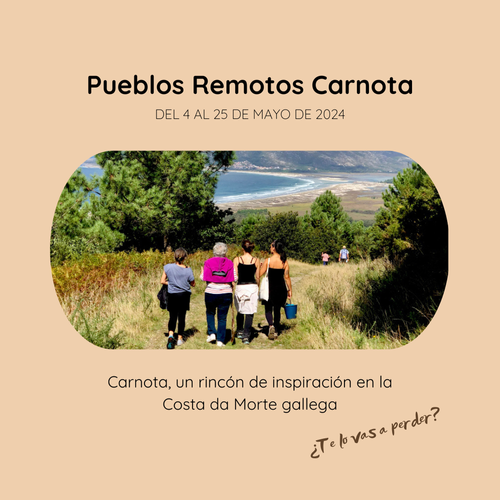
ublicación de lanzamiento en redes sociales de la experiencia Pueblos Remotos Carnota 2024
¿Cómo llegamos a nuestro público objetivo? ¿Cómo convencemos a teletrabajadores que quieran venir a vivir una experiencia? Mediante publicidad directa en comunidades específicas, red de contactos profesionales, artículos en medios de comunicación (intentando salir en medios nacionales) y a través de nuestras redes sociales. El proceso de conversión es largo y laborioso, pero también de suma importancia para darle la calidad que queremos a nuestras experiencias:
- Rellenar el formulario de inscripción
- Realizar entrevista personal
- Efectuar el pago completo de la reserva
No nos vale solo con que los leads entren por el funnel sino que lleguen hasta al final, y créanme que es realmente complicado dar con nuestro nicho de mercado.
Durante esta fase tenemos que emplear mucho tiempo en elaborar recursos digitales (calendario de publicaciones, newsletter, artículos en el blog, notas de prensa para medios), realizar entrevistas y convencer a esas personas que encajen con nuestros valores a que vengan con la energía que necesitamos para que el grupo funcione y conecte.
- Videollamada de kick-off: uno de los momentos más felices es cuando cerramos el grupo y tenemos la videollamada para que se empiecen a poner caras, explicarles con más detalles cómo va a ser la experiencia y que puedan hacernos cualquier pregunta.
El durante: entre 7 y 21 días
Después de 5 meses de preparación, por fin llega el momento de que se abran las puertas, se corra el telón y empiece la obra. El equipo suele llegar un par de días antes para preparar la casa, hacer las últimas confirmaciones y recibir a los participantes. El proceso de preparación lleva casi el mismo trabajo en una experiencia de una semana que en una experiencia de tres. La gran diferencia llega a la hora de implementarlas.
4) FASE DE IMPLEMENTACIÓN: son experiencias intensas, la de 7 días se pasa literalmente volando y solemos hacer más hincapié en la conexión entre los teletrabajadores, incluyendo sesiones para compartir conocimientos (skill shares) y de construir equipo (team building). En las de 21 días hay que saber racionar la energía para mantenerla hasta el final, es una carrera de fondo para los que organizamos ya que siempre surgen imprevistos y hay que saber cómo gestionarlos de la mejor manera posible.
Son muchas horas de trabajo, muchas veces nosotros formamos parte de la experiencia y es difícil trazar la línea entre participante y organizador. Convivir con clientes muchas veces no es fácil, sobre todo para mí, que estoy pendiente de todos los detalles y de que todas las personas se sientan cómodas y a gusto.
- Actividades principales: suelen durar unas 2-3 horas y las realizamos con cada uno de los emprendedores rurales que hemos seleccionado. Ponerlas en marcha supone mucha coordinación, desde la logística para llegar al lugar, que la actividad se desarrolle en los tiempos establecidos, que los participantes se sientan bien, que puedan preguntar y aprender. En las de 7 días estas actividades son extras (add-ons) y en las de 21 días están incluídas en el precio. Siempre, siempre, siempre les pagamos a los emprendedores por estas actividades el precio que ellos nos dicen por persona. Les pagamos y les damos visibilidad, eso es lo que se llevan por participar en nuestras experiencias, aparte de amigos para toda la vida y personas que siempre estarán dispuestas a ayudarles.
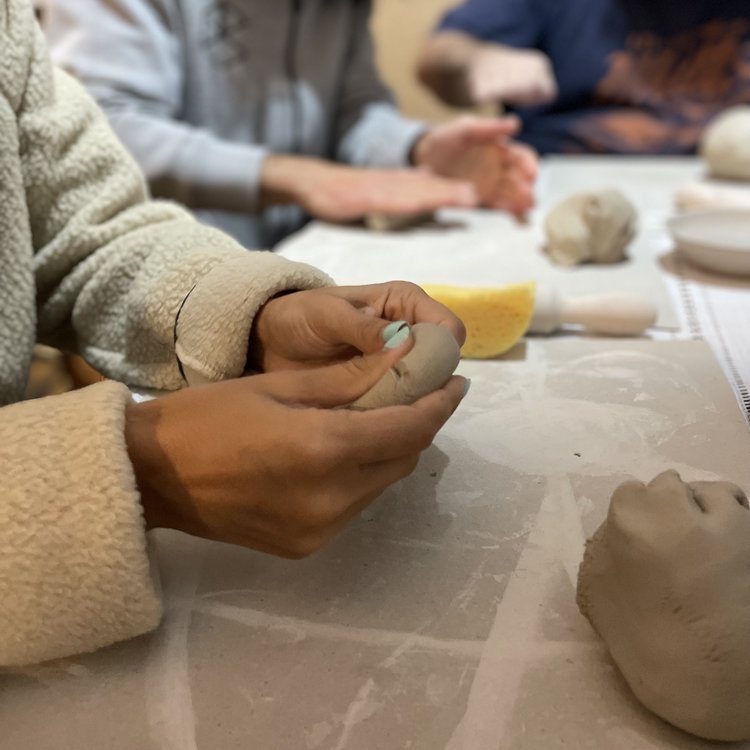
Taller de cerámica con Verónica de Caliza en el que aprendimos a hacer distintas piezas.
- Los imprevistos: siempre hay que tener un Plan B tanto para las actividades como para cualquier cambio/incidente que pueda surgir. Hemos tenido problemas personales, cancelaciones de último minuto y enfermedades. En la experiencia reciente en Almagro, teníamos programada la actividad con Petri, de Aceites Almagre, al aire libre, en sus campos de olivos y queríamos hacer la degustación allí también. Pues ese fin de semana llovió muchísimo y tuvimos que cambiar todo, desde la localización hasta el tipo de experiencia. Nos ha pasado y nos seguirá pasando de todo. Lo importante es saber gestionar las expectativas de los participantes y estar dispuestos a adaptarnos a los cambios con la mejor de las sonrisas. Como decía Darwin: «No es el más fuerte el que sobrevive, ni el más inteligente, sino el que responde mejor al cambio»
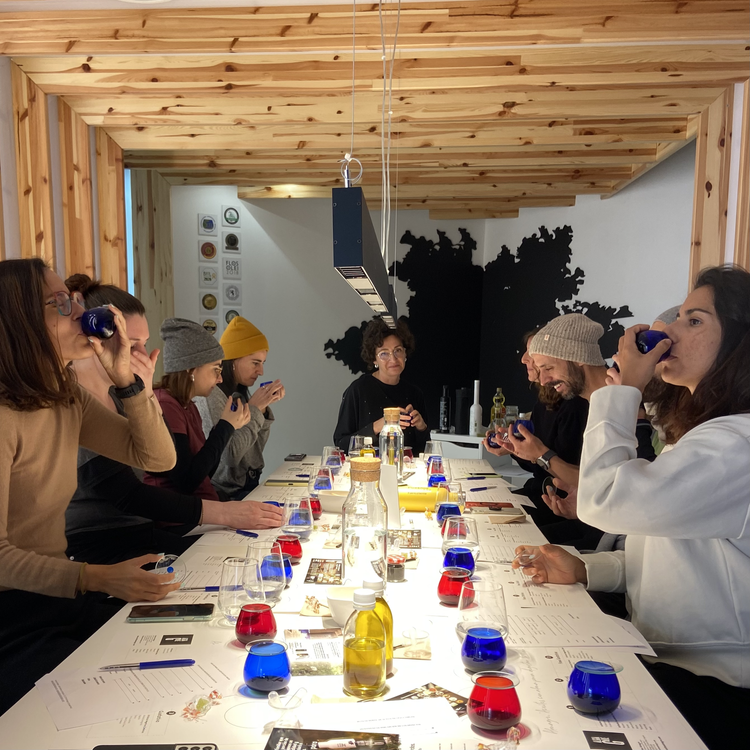
Taller de cata de aceite y degustación con Petri de Aceites Almagre durante el Pop-up Coliving Almagro 2024
- Resolución de retos: normalmente los retos los hacemos solo durante las experiencias de 21 días (a excepción de las que hacemos con estudiantes que se enfocan 100% en esto) porque se necesita tiempo para entender el contexto y poder contribuir con soluciones. Hay experiencias en las que nos centramos en resolver retos de los emprendedores rurales siempre de manera voluntaria. Cada teletrabajador elige con qué emprendedores quiere colaborar basado en su experiencia e intereses personales. En otras experiencias, nos centramos en resolver retos a nivel territorial.
Por ejemplo, el reto a resolver en Carnota será conseguir trasladar a los jóvenes locales las virtudes de emprender y de trabajar en remoto. Es un reto que ya ha comenzado, estamos formando a estudiantes de 4º de la ESO del Instituto de Carnota en emprendimiento, trabajando sobre un proyecto turístico sostenible, dinamizador y desestacionalizador, ideado por ellos mismos. La idea es inspirarles, ayudarles a preparar un elevator pitch y acompañarles en la presentación final que hagan.
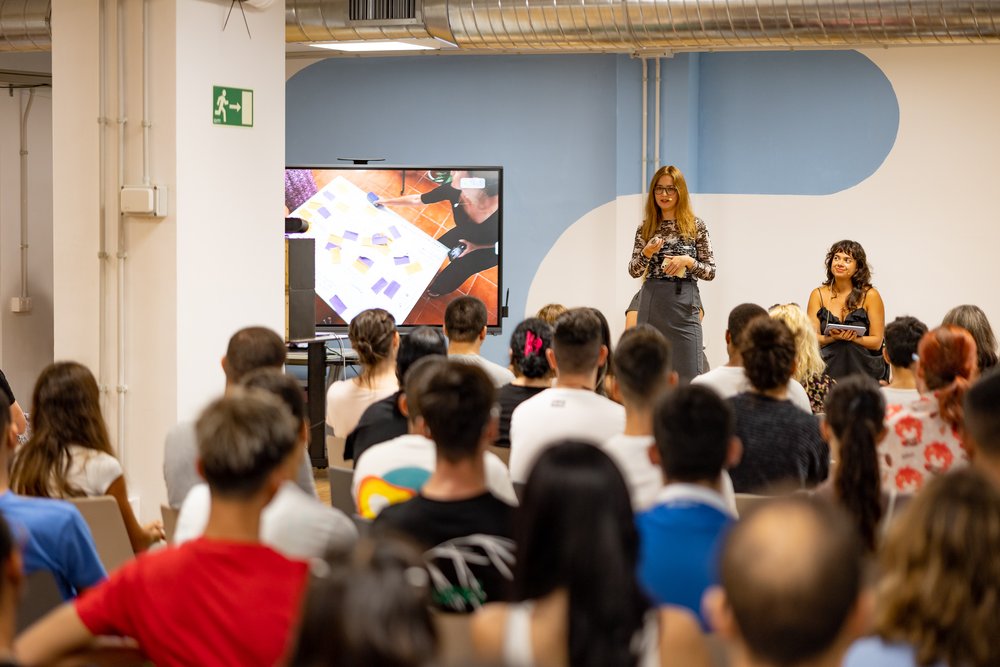
Charla de las mujeres emprendedoras europeas del programa The Break a los alumnos del instituto de Mesa y López en las Palmas de Gran Canaria
- Sesión de feedback: siempre la dejamos para el final, la hacemos el penúltimo día. Quizás sea este el momento más especial de las experiencias, donde nos damos cuenta una vez más que la magia de la Ruralidad Conectada se ha hecho realidad. Creamos un ambiente en el que los participantes puedan compartir cómodamente cómo se han sentido, qué se llevan de la experiencia y donde agradecer a los demás por todo lo vivido. Para mí personalmente, es un recordatorio de por qué hacemos lo que hacemos. Solo por vivir ese momento lo haría una y otra vez. Es el reflejo del legado que dejamos con este proyecto. Personas que comparten que se han sentido comprendidas, en familia, que han encontrado a su ¨tribu¨. Otras que por fin han tenido momentos para conectar consigo mismas y con el entorno rural. Todas se llevan nuevas amistades y momentos que recordarán el resto de sus vidas. Y para nosotros la recompensa de tanto esfuerzo es ver sus caras de felicidad y gratitud.
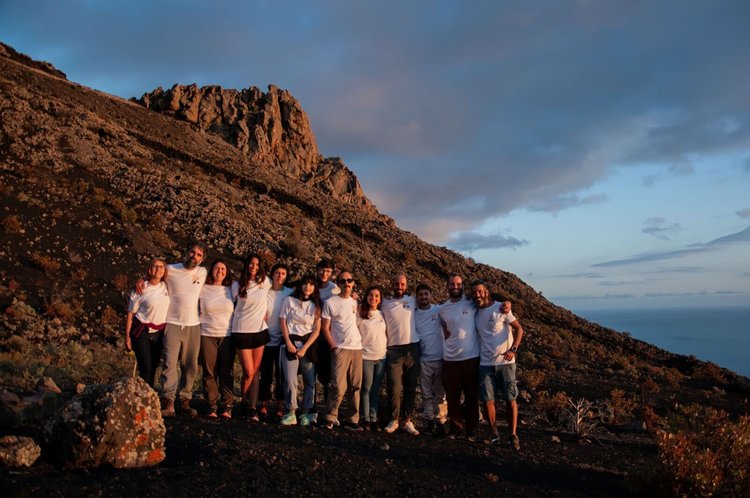
Una de las sesiones de feedback más bonitas que hemos vivido junto a esta montaña sagrada en Fuencaliente (La Palma)
- Evento final: las experiencias de 3 semanas siempre terminan con un evento final donde reunimos a las autoridades locales, a todos los emprendedores rurales que han sido parte de la experiencia y a los participantes. En este encuentro final, se hace una presentación donde se explica lo que se ha trabajado durante la experiencia, recomendaciones que se tengan para el territorio y también tenemos un ratito al final de picoteo y networking donde priman los abrazos de despedida.
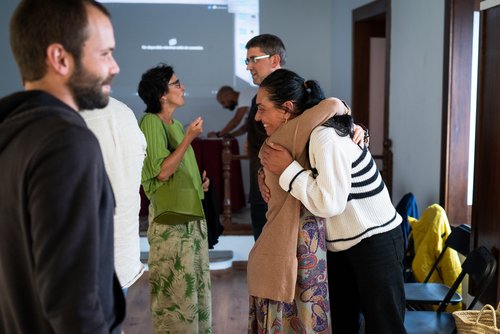
Muchos abrazos durante el evento de cierre de Pueblos Remotos Fuencaliente 2022
El después: 3 semanas post-experiencia
Nuestro trabajo no se acaba cuando termina la experiencia, todavía nos queda la recta final, unas 3 o 4 semanas en las que tenemos que hacer toda la evaluación de resultados y el cierre final.
5) FASE DE EVALUACIÓN:
- Formulario de feedback: al terminar cada experiencia le enviamos a los participantes un cuestionario donde les pedimos su opinión sobre todo lo que han vivido. El formulario de feedback se divide en varias partes: actividades, alojamiento, conexiones, implicación en los retos, impacto profesional, impacto personal e impacto socioeconómico. Siempre les pedimos que nos ayuden a mejorar. Además, en las experiencias de 3 semanas también les pedimos a los emprendedores rurales que rellenen un cuestionario de feedback.
En paralelo al envío del formulario de feedback, las personas que han sido parte de alguna de nuestras experiencias, pasan automáticamente a ser REMOTENSES (miembros de nuestra Comunidad), por los que les incluímos en el grupo de WhatsApp donde están todos los participantes de todas las ediciones. Una vez forman parte de nuestra Comunidad acceden a sesiones online, descuentos especiales y pueden participar en nuestra quedada anual presencial.
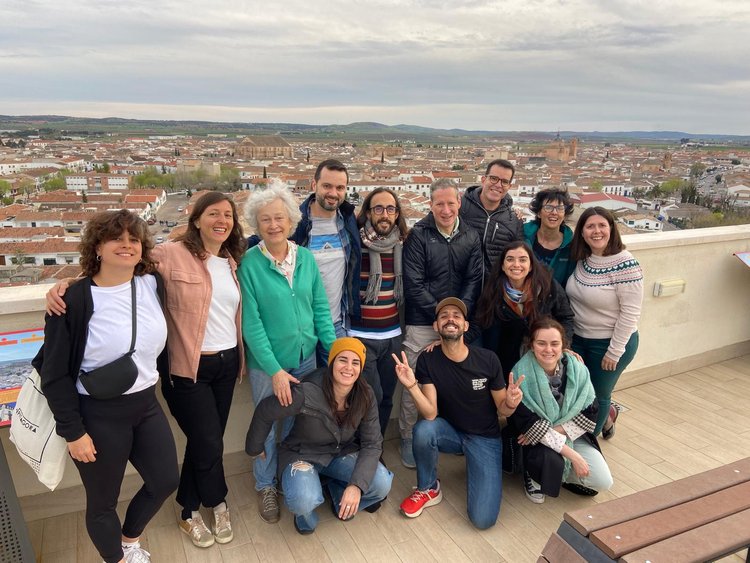
Quedada Anual de la Comunidad de Pueblos Remotos en Almagro del 15 al 17 de mayo de 2024
- Informe de evaluación: cuando tenemos sponsors (sobre todo en las experiencias de 3 semanas), elaboramos un informe de evaluación final donde recopilamos todo el feedback recibido y dejamos plasmados los resultados y el impacto que hemos generado en el territorio.
- Cierre del presupuesto: nos tenemos que asegurar de que todos los pagos se han hecho correctamente, que no quedan facturas pendientes por pagar ni por emitir. Normalmente a los sponsors solo les podemos emitir la factura una vez termina la experiencia (junto con el informe de evaluación) y el plazo medio de pago es de 2-3 meses, por lo que esto es otro reto al que nos enfrentamos con nuestra liquidez.
6) FASE DE SEGUIMIENTO: te engañamos antes, no todo se termina 3-4 semanas después de la experiencia, sino que vamos más allá. En las experiencias de 3 semanas, hacemos seguimiento cada 6 meses con los emprendedores rurales, queremos saber cómo les va, si han implementado más recomendaciones, si han generado nuevas colaboraciones, etc.
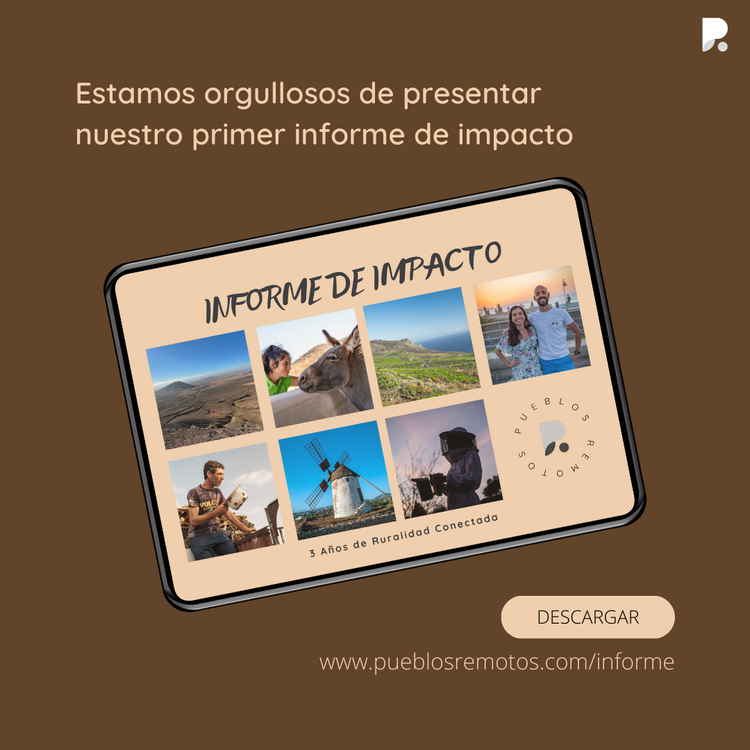
Gracias a este ejercicio de evaluación y seguimiento que hemos llevado a cabo desde que tuvimos nuestra primera experiencia en mayo de 2021, hemos podido sacar a la luz recientemente nuestro primer Informe de Impacto 2021-2023, que recoge de una forma muy visual el impacto positivo que hemos generado en los 6 entornos rurales en los que hemos llevado a cabo experiencias.
Pues, creo que te lo he contado todo. Si quieres poner en marcha una experiencia como las nuestras, aquí tienes nuestra metodología. Te la comparto porque ojalá más personas, agentes del territorio o nuevas iniciativas se enfoquen en generar impacto positivo, en reactivar los entornos rurales y en crear nuevas oportunidades ¡Cuantos más seamos mejor!
Para poner en marcha una experiencia dedicamos mínimo unos 6 meses de trabajo…¿Te lo imaginabas? Sigue siendo un gran reto ponerle precio a lo que hacemos y vender los tickets al público adecuado. Si tienes recomendaciones, somos todo oídos, porque seguimos aprendiendo cada día y crecemos a base de prueba y error.
Y ahora que sabes todo lo que no se ve, lo que se esconde detrás del telón…¿Nos ayudas a comunicarlo? Necesitamos que se entienda lo que de verdad incluye el precio de nuestras experiencias y todo el esfuerzo, y el cariño, que ponemos en cada una de las fases que te acabo de contar. Mientras tanto, nosotros seguiremos haciéndolo lo mejor que podamos porque…
>
“Lo mejor que podemos experimentar no es el camino ya recorrido, sino el que aún nos queda por recorrer.”
— Elsa Rodríguez & Carlos Jonay Suárez
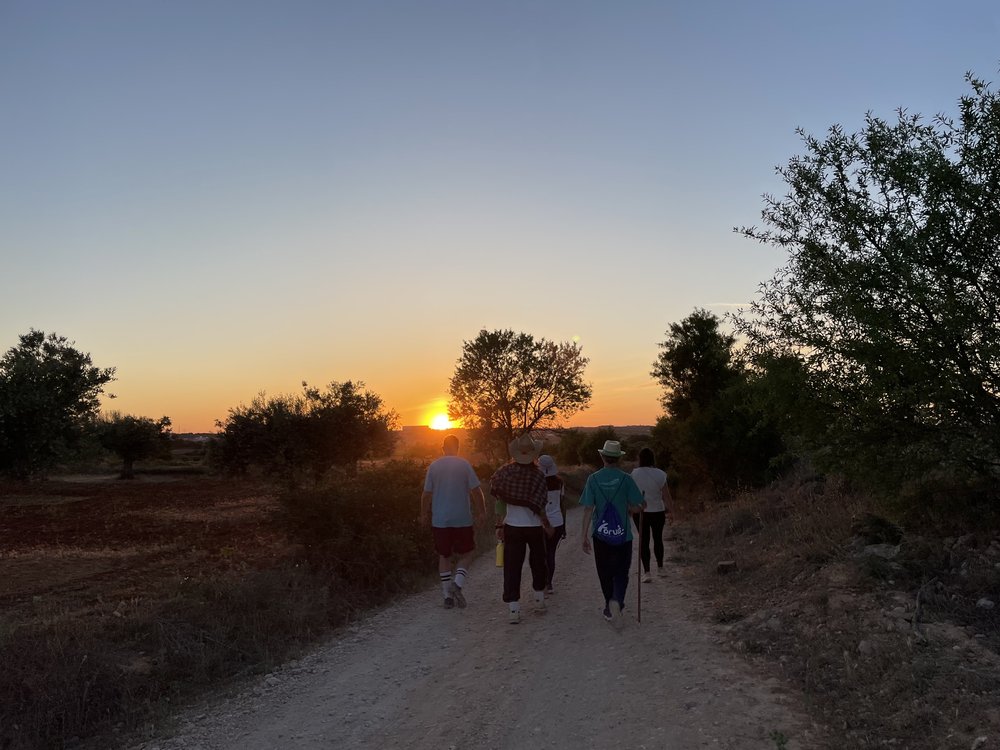
Paseando al atardecer durante la experiencia del Pop-up Coliving Villarejo de Salvanés 2023